
:format(webp) "Using Stun Guns and Tasers Safely in Close-Range Conflicts")
In tense close-range encounters, having a reliable non-lethal self-defense tool like a stun gun or Taser can make all the difference between safety and harm. However, these devices carry their own risks if not used properly. Understanding how to handle stun guns and Tasers safely-not just effectively-is crucial for anyone considering them for personal protection. In this article, we’ll explore best practices, safety precautions, and legal considerations to help you use these powerful tools responsibly and with confidence when it matters most.
- Understanding the Differences Between Stun Guns and Tasers for Effective Use
- Assessing Situational Awareness Before Deploying Electrical Self-Defense Tools
- Proper Grip and Targeting Techniques to Maximize Safety and Efficiency
- Post-Use Protocols and Legal Considerations for Responsible Stun Gun and Taser Handling
- Concluding Remarks
- Related Products
- Check Our Other Blogs
Understanding the Differences Between Stun Guns and Tasers for Effective Use
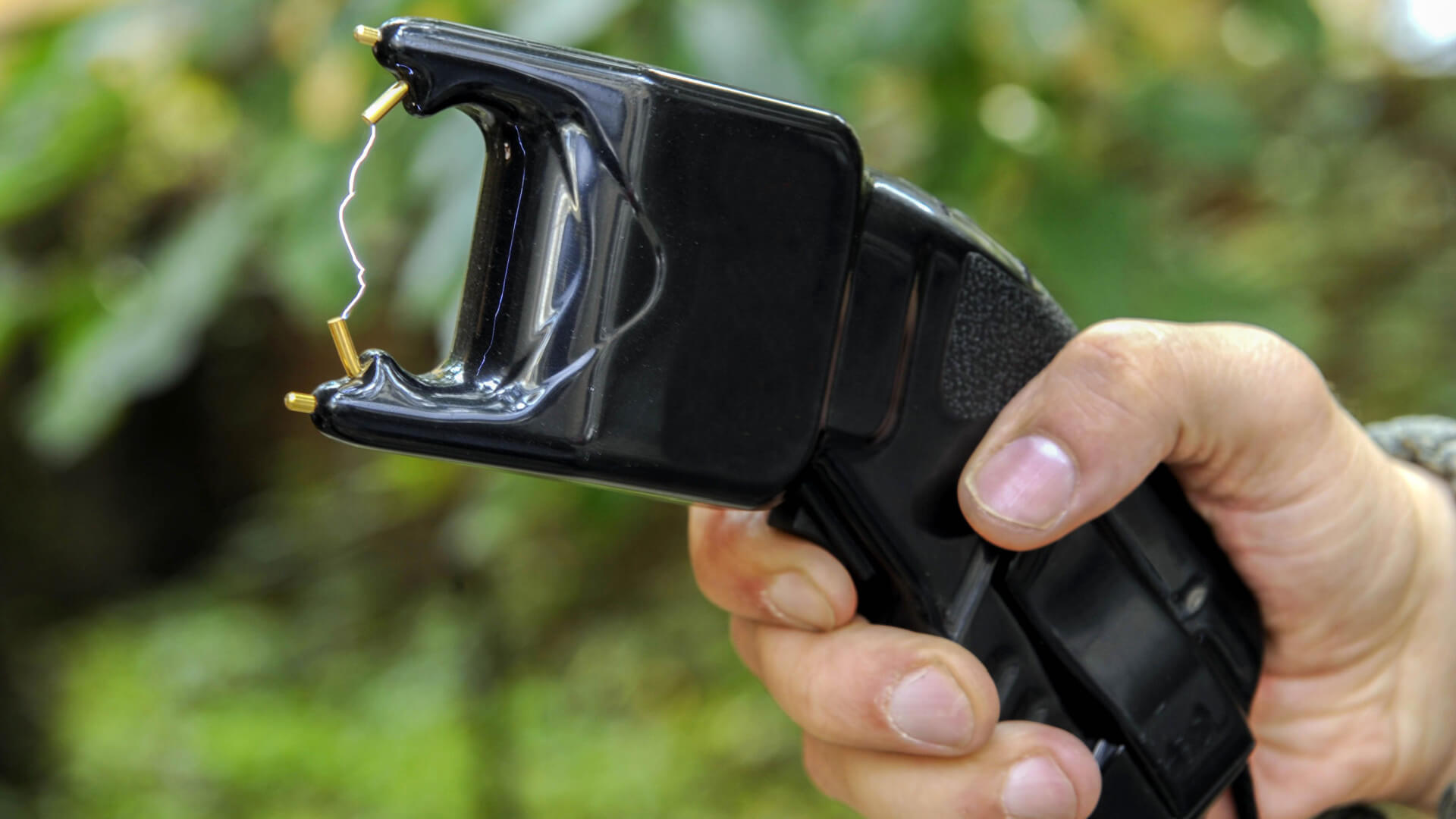
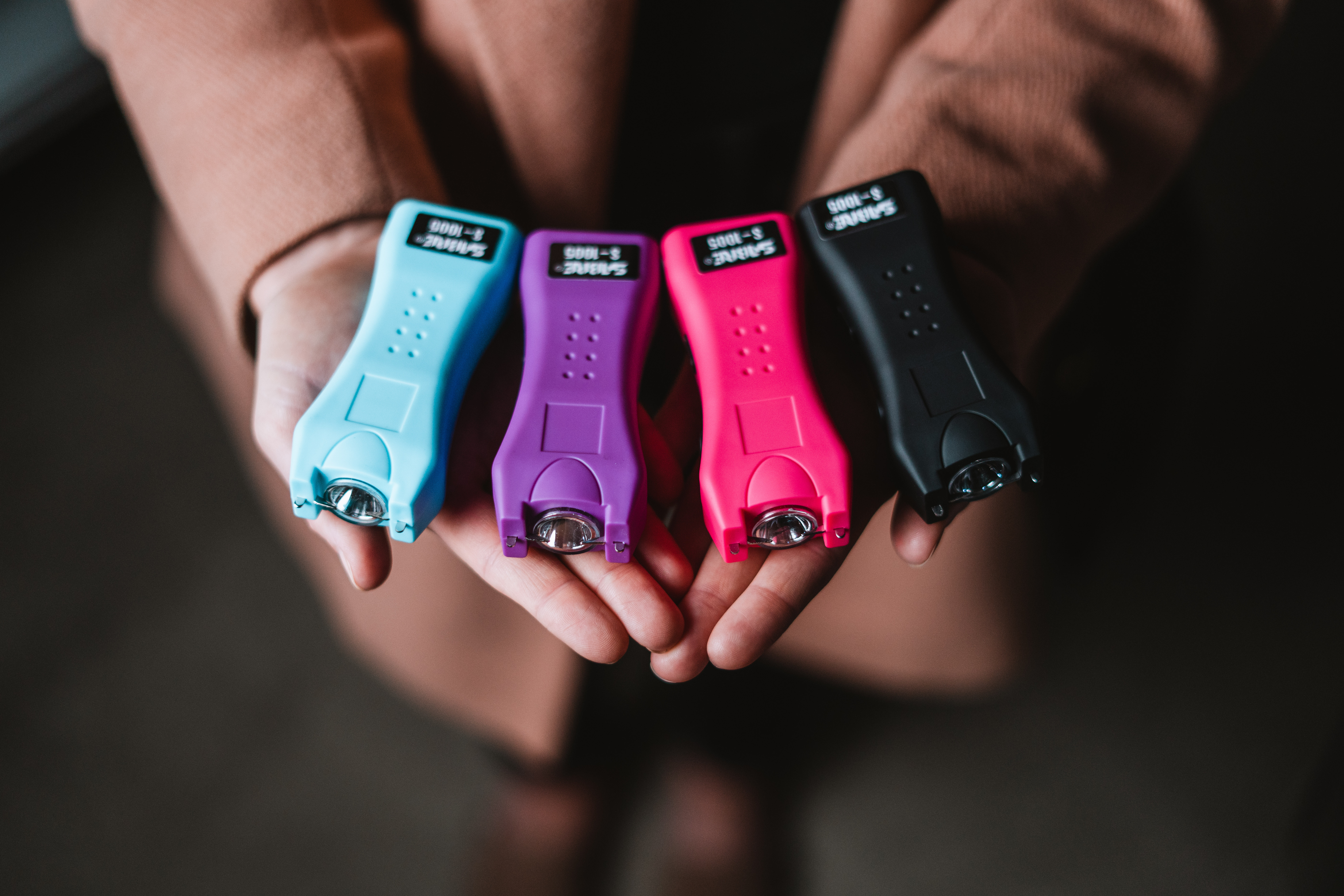
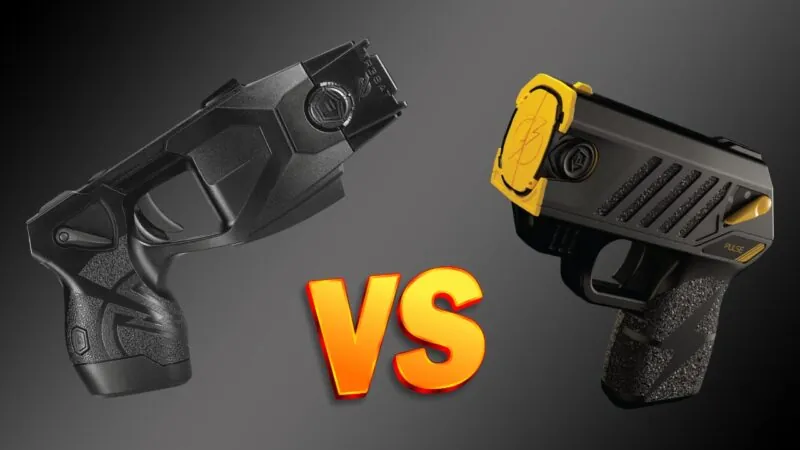
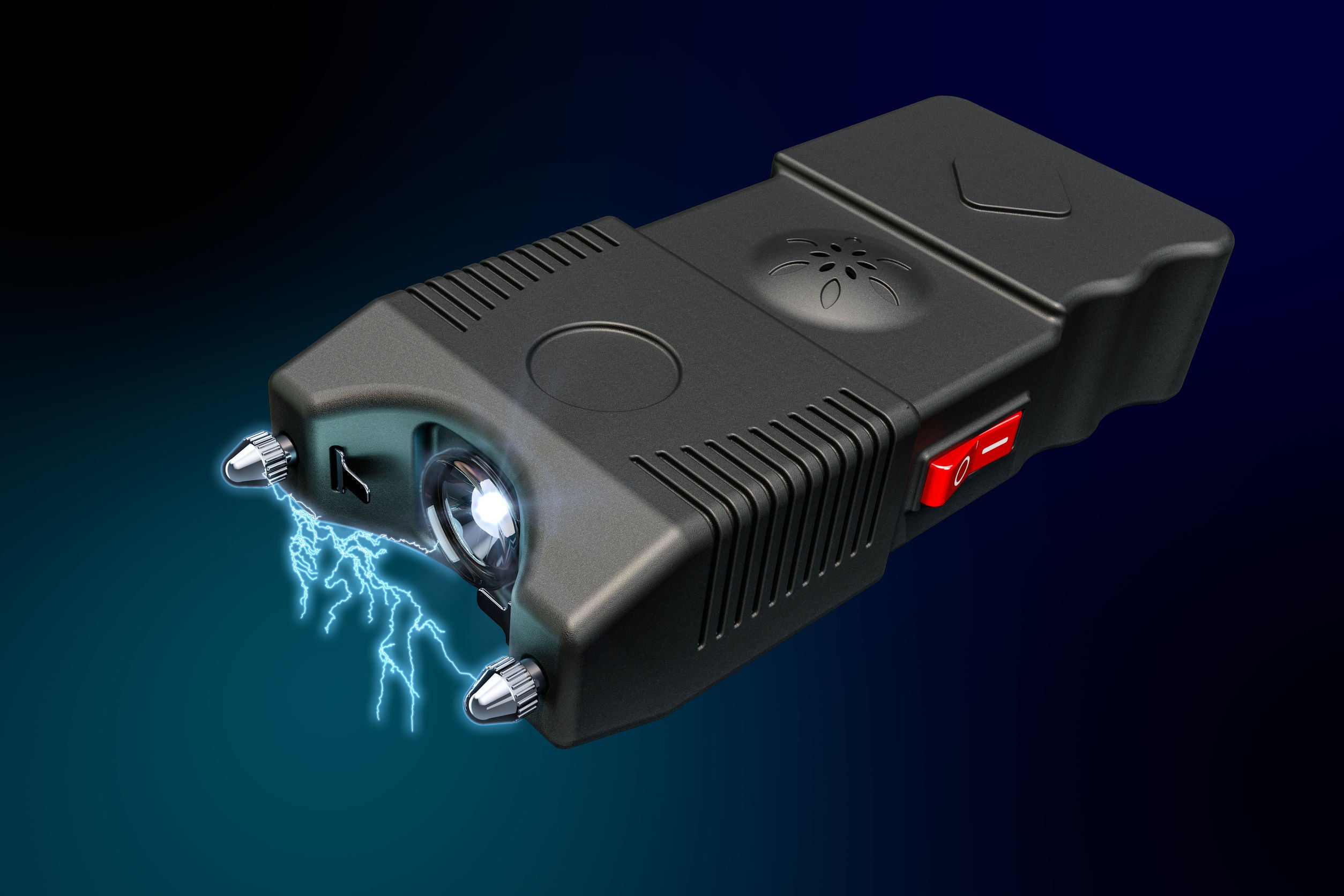
When selecting a personal defense device, understanding how stun guns and Tasers differ is crucial for effective and safe application. A stun gun operates by delivering a high-voltage, low-amperage shock through direct contact with the attacker’s body, relying on close proximity to incapacitate temporarily. In contrast, a Taser shoots away two small dart-like electrodes connected by wires, allowing the user to maintain distance while delivering an incapacitating electric pulse. This fundamental difference affects how each tool should be deployed: stun guns demand bold, close physical engagement, whereas Tasers offer a safer gap but require more precision to hit the target.
Safe and effective use hinges on a user’s comprehension of each device’s operational mechanics and intended scenario. Key points to consider include:
- Contact vs. Range: Stun guns need skin contact; Tasers function from up to 15 feet away.
- Deployment Speed: Stun guns are instant on touch; Tasers require aiming and trigger control.
- Legal Restrictions: Regulations vary widely and often influence which tool is permissible.
- Environmental Factors: Wet or crowded settings may affect device performance differently.
Grasping these differences not only maximizes defensive efficiency but also minimizes risks for both the user and bystanders.
Assessing Situational Awareness Before Deploying Electrical Self-Defense Tools
Before reaching for an electrical self-defense device like a stun gun or taser, it’s crucial to quickly evaluate your surroundings. Effective situational awareness involves more than just spotting a potential threat-it requires assessing the environment for escape routes, the presence of bystanders, and the attacker’s capabilities. Identifying safe distances and understanding the proximity of your target impact the success and safety of deploying these tools. Avoid using such devices in cramped spaces where unintended contact could affect innocent people, or where the electrical discharge might cause secondary hazards, such as near flammable materials or liquids.
Practicing awareness also means staying calm and focused under pressure. Train yourself to silently scan for key factors like:
- Potential backup attackers or accomplices
- Nearby objects that could either aid or obstruct your defense
- Escape paths to retreat after the device is deployed
- Environmental conditions affecting device performance-such as wet surfaces that might influence electrical discharge
By methodically assessing these variables, you not only enhance the device’s effectiveness but also minimize risk to yourself and innocents nearby.
Proper Grip and Targeting Techniques to Maximize Safety and Efficiency
When handling stun guns or Tasers in close-range scenarios, maintaining a firm yet controlled grip is crucial. Your dominant hand should securely hold the device with your thumb resting on the activation trigger, allowing for quick and precise discharge. Meanwhile, your non-dominant hand can stabilize the device or help maintain balance, especially if you anticipate physical contact. Avoid gripping too tightly as this may cause muscle fatigue or unintended movement, but ensure it’s firm enough to prevent accidental drops during sudden defensive maneuvers.
Proper targeting is equally essential for maximizing both safety and effectiveness. Aim for the large muscle groups such as the torso or thigh, avoiding sensitive areas like the head, neck, or groin to reduce the risk of causing permanent injury. In high-stress situations, rely on instinctive targeting but also practice controlled shots regularly to enhance your accuracy under pressure. Remember to keep your stance balanced and aligned with your target to maintain control and reduce the chance of the device being knocked away. Key tips include:
- Focus on the center mass area for maximum incapacitation.
- Maintain a safe distance that allows full deployment of the device without compromising your personal safety.
- Practice quick reactivation techniques to subdue multiple threats if necessary.
Post-Use Protocols and Legal Considerations for Responsible Stun Gun and Taser Handling
Once a stun gun or taser has been deployed, it is essential to follow strict protocols to ensure both legal protection and user safety. First, always document the incident thoroughly-this includes taking notes on the circumstances, reasons for use, and any injuries sustained. Promptly notify local authorities and cooperate fully with any investigations, as failure to do so may result in legal complications. Additionally, carefully secure the device after use to prevent unauthorized access or accidental discharge. Remember, these tools are subject to specific regulations depending on your jurisdiction, so maintaining compliance by checking local laws regularly is crucial.
Equally important is understanding the legal ramifications associated with stun guns and tasers. Misuse or improper handling can lead to criminal charges or civil liabilities. Pay attention to factors such as:
- Permitted usage scenarios: Self-defense only, avoiding aggressive or preemptive deployment.
- Age restrictions and licensing requirements.
- Prohibited locations: Schools, government buildings, or certain public spaces.
- Reporting obligations: How and when incidents must be disclosed to authorities.
By adhering to these guidelines, you not only protect yourself and others but also uphold the responsibility that comes with wielding such powerful devices in close-range encounters.
Concluding Remarks
In close-range conflicts, stun guns and Tasers can be valuable tools for self-defense-but only when used responsibly and with a clear understanding of their capabilities and risks. Prioritizing safety means not only knowing how to operate these devices effectively but also respecting the potential harm they can cause. Proper training, awareness of your surroundings, and adherence to local laws are essential steps to ensure that your use of a stun gun or Taser is both legal and effective. Ultimately, these tools should serve as a means to de-escalate situations and protect yourself without needless injury. Stay informed, stay cautious, and always put safety first.
Related Products


Check Our Other Blogs
- StunGun – Your Trusted Source for Stun Guns, Laws, and Self-Defense Tips
- PepperSprayLaws – Your Trusted Resource for Pepper Spray Information
- StunGunLaws – Your Trusted Guide to Stun Gun Legality and Safety
- Featured.biz – Your Hub for the Latest in Tech & Electronics
- SafetyTips – Your Guide to Smarter, Safer Living