

In today’s world, personal safety is a growing concern for many New Yorkers. Devices like stun guns and Tasers have become popular self-defense tools, but understanding the legal landscape surrounding their possession and use is crucial. New York State has some of the strictest regulations in the country when it comes to these electronic weapons. Whether you’re considering carrying one for protection or just want to stay informed, knowing the ins and outs of stun gun and Taser laws can help you avoid serious legal trouble. In this article, we’ll break down the key points of New York’s regulations, helping you navigate this complex topic with clarity and confidence.
- Legal Definitions and Differences Between Stun Guns and Tasers in New York State
- Current Restrictions and Prohibited Zones for Possession and Use
- Navigating Permit Requirements and Compliance for Lawful Ownership
- Practical Recommendations for Avoiding Legal Issues with Stun Guns and Tasers
- Closing Remarks
- Related Products
- Check Our Other Blogs
Legal Definitions and Differences Between Stun Guns and Tasers in New York State
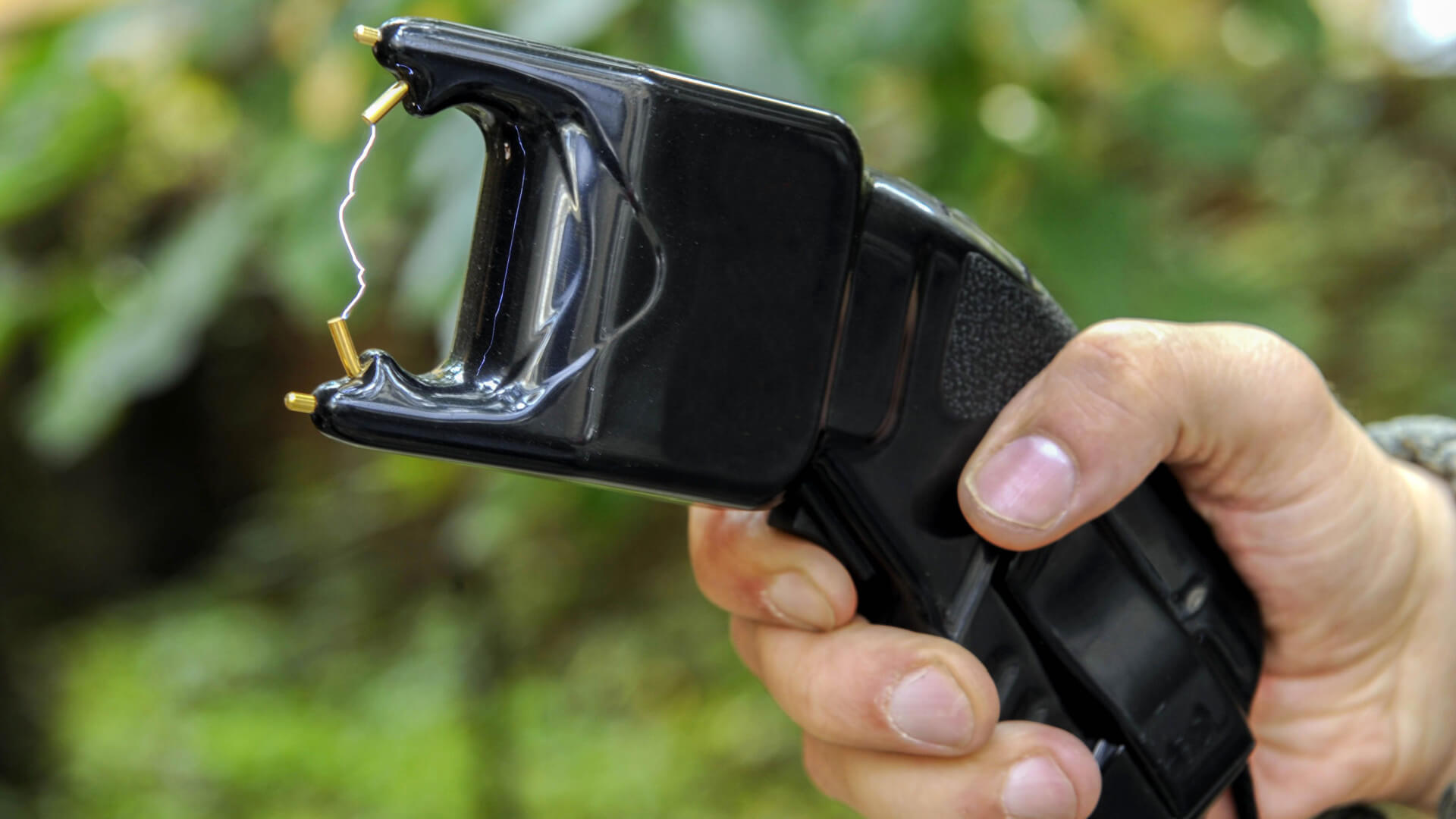
In New York State, distinguishing between stun guns and Tasers is crucial due to their differing legal statuses and definitions. A stun gun is typically recognized as a handheld device that uses direct contact to deliver an electric shock intended to temporarily incapacitate an attacker. Unlike Tasers, stun guns require physical contact because they do not fire projectiles. The law classifies them under electric weapons or devices and often subjects them to specific restrictions concerning possession, sale, and use. Ownership without proper authorization or intent can result in serious legal consequences, including felony charges.
Conversely, a Taser is characterized as a type of conducted electrical weapon that fires barbed projectiles attached to wires, delivering an incapacitating electric shock from a distance. Tasers are generally treated with greater legal scrutiny than stun guns in New York. They are categorized as dangerous weapons, and civilian possession is usually prohibited unless the individual has explicit state approval or is a law enforcement officer. It’s important to note that the law makes clear distinctions between these devices by their design, operation method, and intended use, influencing the legal penalties and permissible contexts for ownership and carrying. Key differences can be summarized as:
- Contact vs. projectile-based incapacitation
- Classification under specific criminal statutes
- Varying legal permission and restrictions
Current Restrictions and Prohibited Zones for Possession and Use
In New York State, the possession and use of stun guns and tasers are subject to stringent regulations, particularly in sensitive locations where public safety concerns are paramount. Individuals are expressly prohibited from carrying such devices in areas including, but not limited to:
- School grounds – covering all elementary, middle, and high schools as well as collegiate properties.
- Government buildings – including courthouses, legislative offices, and other public administrative centers.
- Public transportation vehicles and facilities – such as buses, subway stations, and airports.
Moreover, the use or possession of stun guns and tasers within prisons, jails, and correctional facilities is strictly forbidden. Violating these restrictions can result in severe criminal penalties, highlighting the state’s emphasis on controlling these devices to prevent misuse. It is crucial for residents and visitors alike to familiarize themselves thoroughly with these zones to avoid inadvertent violations and to ensure that they comply with all local laws governing personal defense tools.
Navigating Permit Requirements and Compliance for Lawful Ownership
Before purchasing or carrying a stun gun or taser in New York State, it’s crucial to understand the strict regulatory landscape that governs their use. Unlike some states where these devices are more freely accessible, New York enforces comprehensive statutes that dictate who can own these devices and under what circumstances. For lawful ownership, individuals must ensure they meet specific eligibility criteria, which often involves background checks and obtaining appropriate permits. Failure to comply with these requirements can result in severe penalties, including fines and criminal charges.
Key considerations for maintaining compliance include:
- Age Restrictions: Owners typically must be 18 years or older.
- Purpose of Use: Devices must be intended strictly for self-defense.
- Permit Application: Some jurisdictions within New York require explicit permission through local law enforcement.
- Prohibited Locations: Carrying stun guns in schools, government buildings, and private properties without consent is unlawful.
Staying informed about local ordinances and state laws, as well as regularly reviewing legal updates, is essential for anyone seeking to own these defensive tools lawfully. Consulting with legal professionals or local authorities before acquisition is highly recommended to navigate the complexities of compliance effectively.
Practical Recommendations for Avoiding Legal Issues with Stun Guns and Tasers
When carrying a stun gun or Taser, it’s crucial to remain fully informed about the specific restrictions enforced by New York State. Always ensure that your device is legally obtained from a licensed dealer and is used strictly for self-defense purposes. Avoid displaying or using the device in a manner that could be perceived as threatening or aggressive, as this can lead to serious legal consequences. It is also advisable to carry documentation proving ownership and legality of the device, especially when traveling within state lines, to avoid misunderstandings with law enforcement officials.
Additionally, familiarize yourself with locations where stun guns and Tasers are explicitly prohibited, such as government buildings, schools, and certain public venues. Respect local ordinances in addition to state laws, as some cities may impose stricter regulations. Implementing safe storage practices-such as keeping the device unloaded and locked away when not in use-can protect you from accidental misuse and help demonstrate responsible ownership if your conduct is ever questioned. By following these steps, you minimize the risk of unintentional legal violations while maintaining effective personal security.
- Verify legal purchase and ownership documentation.
- Use only for self-defense, never in aggression.
- Avoid carrying in restricted areas like schools and government buildings.
- Understand and comply with local and municipal regulations.
- Store devices securely when not in use.
Closing Remarks
Navigating the complexities of stun gun and Taser laws in New York State is crucial for anyone considering these devices for personal protection. Understanding what is legal, what restrictions apply, and how to stay compliant can help you avoid serious legal consequences. As laws continue to evolve, staying informed and consulting with legal experts when in doubt is always a wise approach. Remember, responsible ownership and usage not only protect you but also contribute to a safer community overall. Stay safe and stay informed.
Related Products


Check Our Other Blogs
- StunGun – Your Trusted Source for Stun Guns, Laws, and Self-Defense Tips
- PepperSprayLaws – Your Trusted Resource for Pepper Spray Information
- StunGunLaws – Your Trusted Guide to Stun Gun Legality and Safety
- Featured.biz – Your Hub for the Latest in Tech & Electronics
- SafetyTips – Your Guide to Smarter, Safer Living