

When it comes to personal safety, understanding the legal landscape surrounding concealed carry and non-lethal self-defense options is crucial-especially in a state like Utah, where the laws can be both straightforward and nuanced. Whether you’re a resident considering a concealed carry permit or simply curious about how non-lethal defense methods fit within Utah’s legal framework, having a clear grasp of the rules is essential. In this article, we’ll break down the key aspects of Utah’s concealed carry laws and explore the regulations governing non-lethal weapons, helping you stay informed and prepared while respecting the law.
- Concealed Carry Permits in Utah Explaining Eligibility and Application Requirements
- Navigating Utah’s Non Lethal Weapon Regulations Understanding Legal Restrictions and Allowed Devices
- Practical Safety Tips for Carrying Non Lethal Weapons Responsibly and Effectively
- Legal Consequences and Best Practices for Compliance in Utah
- Wrapping Up
- Related Products
- Check Our Other Blogs
Concealed Carry Permits in Utah Explaining Eligibility and Application Requirements
To legally obtain the privilege to carry a concealed firearm in Utah, applicants must meet specific criteria established by state law. Eligibility begins with being at least 21 years of age, a legal resident of Utah, and having no felony convictions. Additionally, applicants cannot be addicted to controlled substances or have a history of mental illness as defined under Utah law. Background checks are comprehensive, ensuring that individuals with restraining orders or convictions involving domestic violence are barred from obtaining a permit. Understanding these foundational requirements is essential before initiating the application process.
The application requirements for a concealed carry permit emphasize thoroughness and responsibility. Applicants must submit fingerprints and complete a firearms safety course recognized by Utah’s Department of Public Safety. The application packet should include proof of residency, valid identification, and a fee that covers processing and background checks. After submission, processing times can vary but typically take a few weeks, during which the applicant’s qualifications are verified. Staying informed on renewal deadlines and continuing education ensures compliance and promotes safe carrying practices within the state.
Navigating Utah’s Non Lethal Weapon Regulations Understanding Legal Restrictions and Allowed Devices
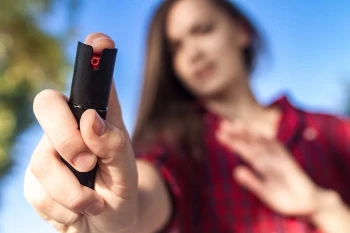
When it comes to carrying non-lethal weapons in Utah, it’s crucial to understand both state regulations and local ordinances. The state allows residents to possess certain non-lethal defense tools, but these freedoms come with clear restrictions designed to balance personal protection with public safety. For example, devices such as pepper spray are legal for self-defense purposes; however, there are size and concentration limits that must be adhered to in order to remain within the law. Additionally, tools like stun guns and tasers are permitted, yet some municipalities may have specific rules regarding their transport and use, so carrying these devices across county lines demands careful attention to local laws.
Utah’s legal framework explicitly prohibits certain weapons that could be considered non-lethal by some but are categorized differently under the law. Items such as brass knuckles and some types of batons fall into restricted categories, often requiring a permit or facing outright bans depending on the jurisdiction. To stay informed and compliant, individuals should:
- Verify the type of non-lethal weapon allowed in their specific city or county
- Understand transport laws, particularly if crossing state or local borders
- Consult official resources or legal counsel before acquiring or carrying a new defense device
Practical Safety Tips for Carrying Non Lethal Weapons Responsibly and Effectively
When carrying non-lethal weapons, such as pepper spray, stun guns, or personal alarms, prioritize proper training and situational awareness above all else. Familiarize yourself thoroughly with your chosen device-know how to deploy it quickly and safely under pressure. Regularly practicing activation and handling will reduce hesitation during real encounters and prevent accidental misuse. Additionally, always keep these tools accessible but secure to avoid loss or unintended discharge. Remember, your ability to respond effectively relies heavily on your confidence and preparedness.
Understanding your local legal framework is just as critical as mastering the tool itself. Keep in mind that even non-lethal weapons may have specific restrictions regarding where and how they can be carried or used. Here are some key safety considerations to keep in mind:
- Store devices in compliance with state and local regulations. Some locations ban carrying certain items concealed or in public spaces.
- Avoid overconfidence. Non-lethal does not mean risk-free; misuse can cause unintended harm or legal consequences.
- Inform trusted individuals about your carry method and location for added safety and moral support.
- Maintain your equipment. Check expiration dates, battery life, and physical condition regularly.
Legal Consequences and Best Practices for Compliance in Utah
Utah enforces strict legal consequences for violations of its concealed carry and non-lethal weapon laws. Carrying a concealed firearm without a valid permit can lead to felony charges, potential imprisonment, and hefty fines. Additionally, misuse of non-lethal weapons such as pepper spray or stun guns in prohibited areas-like schools or government buildings-can result in criminal penalties. It is essential to stay informed about the specific restrictions in designated zones and to always carry your permit and identification when armed. Failure to comply could also lead to civil liabilities if an incident arises from improper use or unauthorized possession.
To ensure compliance and avoid legal pitfalls, adopting best practices is critical. Consider the following recommendations:
- Always verify your eligibility and renew your concealed carry permit before expiration dates to maintain lawful status.
- Regularly review Utah’s laws and local ordinances, as regulations may change and vary by jurisdiction.
- Undergo professional training not only to learn safe handling but also to understand the legal obligations and limitations related to carrying concealed firearms or non-lethal weapons.
- Store weapons securely when not in use, especially around children or unauthorized persons, to prevent accidental or unlawful access.
Wrapping Up
In navigating the complexities of concealed carry and non-lethal weapon laws in Utah, staying informed is not just recommended-it’s essential. By understanding your rights and responsibilities, you can ensure your safety and that of those around you while staying compliant with state regulations. Whether you’re a seasoned carrier or considering non-lethal options for personal protection, always prioritize education and responsible use. Remember, laws can evolve, so keep up-to-date with any changes to protect yourself and your community effectively. Stay safe and stay informed.Related Products


Check Our Other Blogs
- StunGun – Your Trusted Source for Stun Guns, Laws, and Self-Defense Tips
- PepperSprayLaws – Your Trusted Resource for Pepper Spray Information
- StunGunLaws – Your Trusted Guide to Stun Gun Legality and Safety
- Featured.biz – Your Hub for the Latest in Tech & Electronics
- SafetyTips – Your Guide to Smarter, Safer Living