

Navigating the complexities of concealed carry and non-lethal weapon laws can be challenging, especially in a state like Colorado where regulations are specific and sometimes nuanced. Whether you’re a resident looking to better understand your rights and responsibilities, or someone considering moving to the Centennial State, having clear, accurate information is essential. In this article, we’ll break down the key points of Colorado’s concealed carry permits, explore the legal parameters surrounding non-lethal weapons, and provide practical insights to help you stay informed and compliant with state laws. Understanding these rules is not just about legality-it’s about ensuring safety and responsible ownership for all Coloradans.
- Understanding Colorado’s Concealed Carry Permit Requirements
- Navigating Non-Lethal Weapon Regulations in Colorado
- Legal Responsibilities and Restrictions for Concealed Carry Holders
- Best Practices for Safely Carrying and Using Non-Lethal Self-Defense Tools
- In Summary
- Related Products
- Check Our Other Blogs
Understanding Colorado’s Concealed Carry Permit Requirements
When considering concealed carry in Colorado, it’s essential to be aware that the state requires a permit to carry a concealed handgun, but openly carrying firearms is generally allowed without a permit. To obtain a concealed carry permit, applicants must be at least 21 years old, complete a state-approved firearms training course, and pass a background check. The application process is handled by local sheriffs’ offices, who have up to 60 days to approve or deny the permit. The permit is valid for five years and is recognized in several other states through reciprocity agreements. However, it’s crucial to understand that certain locations remain off-limits for concealed carry, regardless of permit status.
Key points to remember include:
- You cannot carry a concealed weapon if you are prohibited by law due to a criminal or mental health history.
- Firearms must remain concealed unless otherwise allowed, with exceptions such as loading or unloading.
- Permit holders must carry their permit and valid photo ID whenever carrying concealed.
- Private property owners retain the right to prohibit firearms on their premises.
Understanding these regulations helps ensure responsible and legal firearm possession, reducing the risk of unintended legal consequences.
Navigating Non-Lethal Weapon Regulations in Colorado
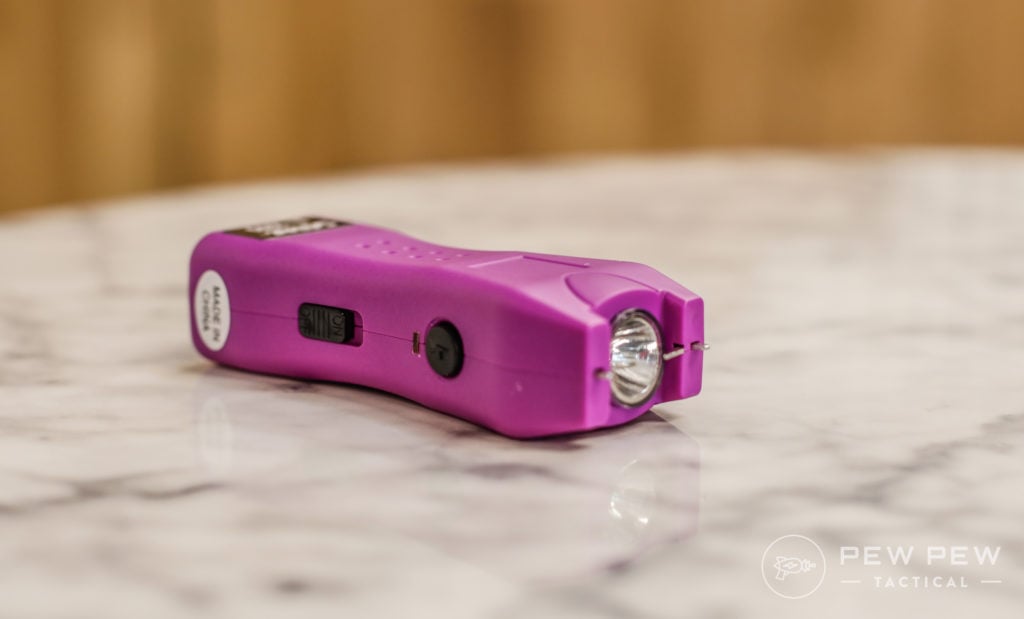
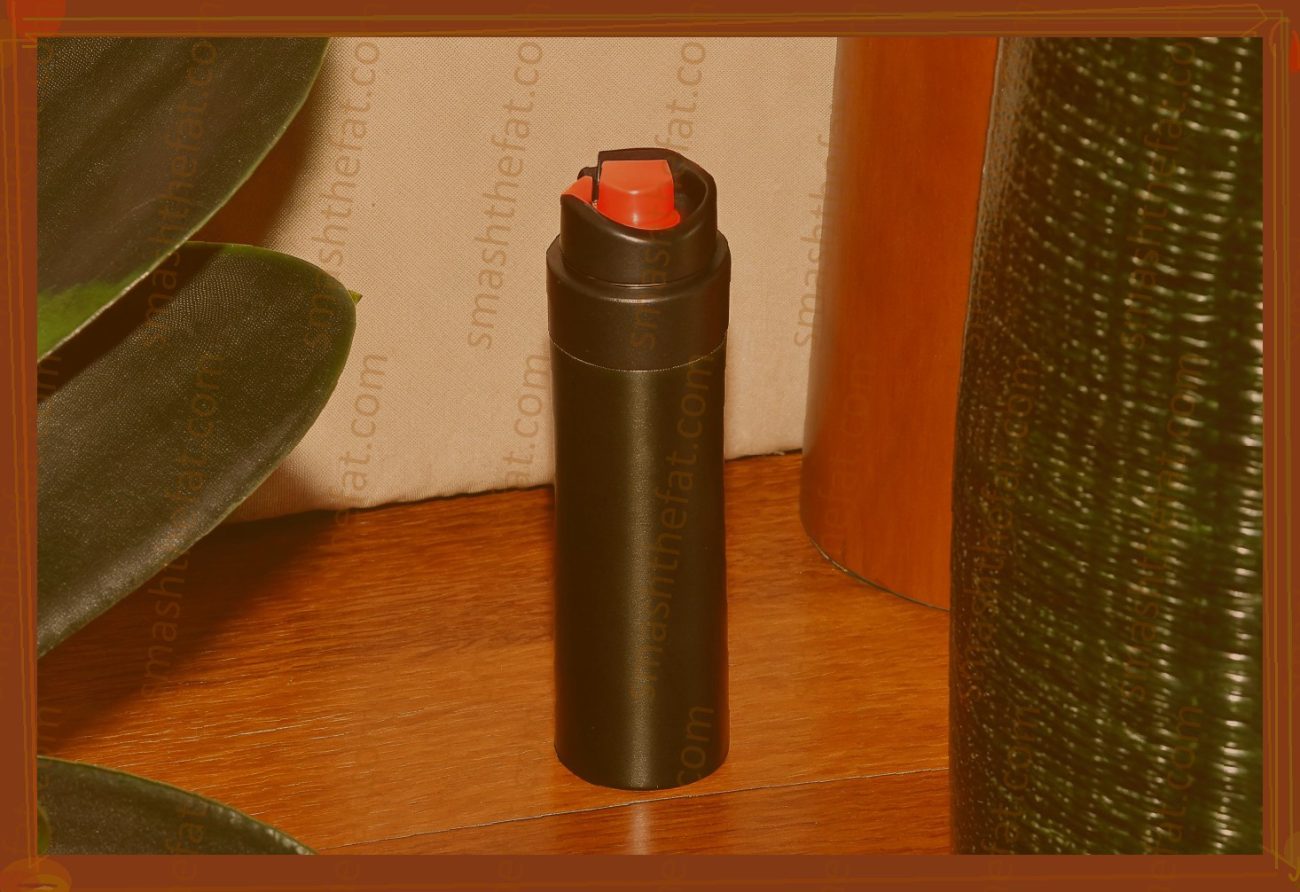
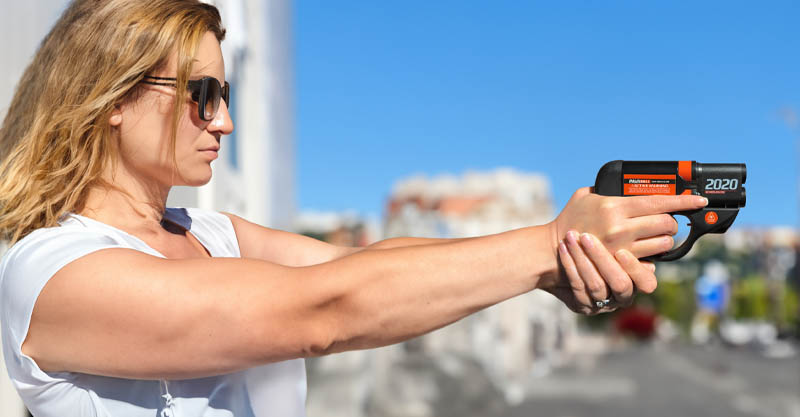
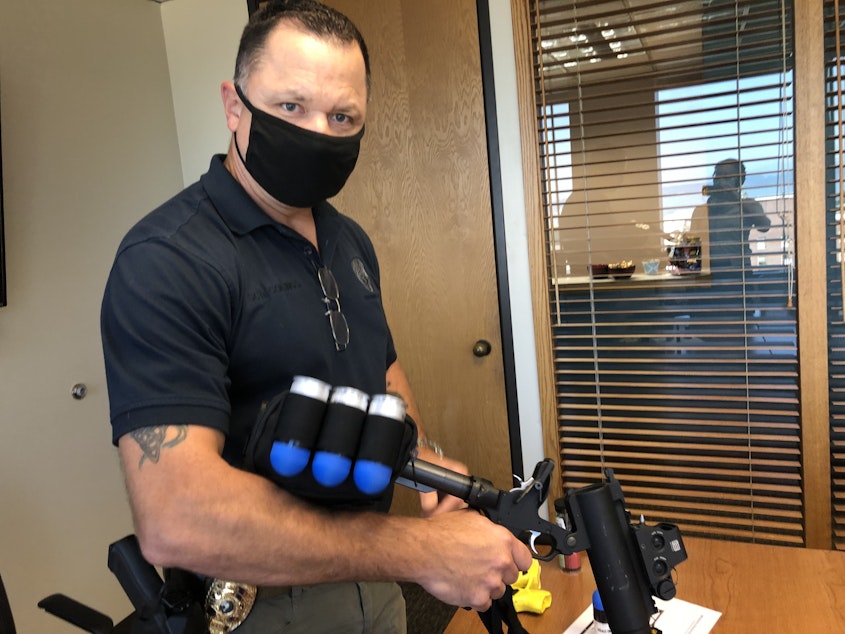
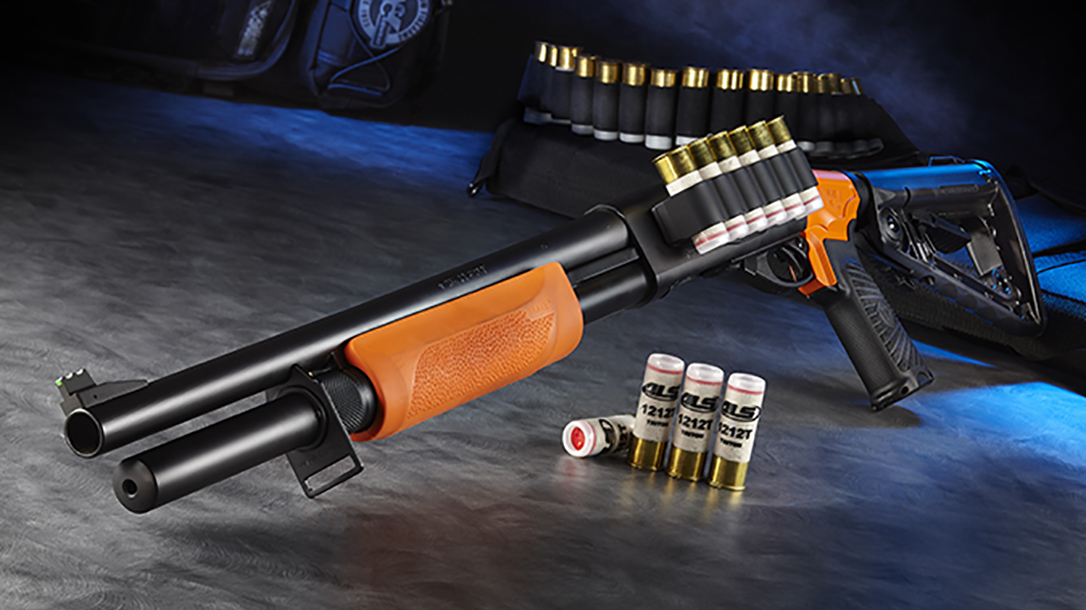
When carrying non-lethal weapons in Colorado, it’s crucial to stay informed about the specific laws that govern their possession and use. Devices such as pepper spray, stun guns, and batons fall under separate regulations compared to firearms and often have unique restrictions depending on local jurisdictions. For example, while pepper spray is generally legal for self-defense, there are limits on the size and concentration of the sprays allowed. Additionally, stun guns may not be permitted in certain locations like schools or government buildings. Understanding these nuances helps prevent inadvertent violations that can have serious legal repercussions.
Here are key points to consider for responsible non-lethal weapon ownership in Colorado:
- Purchase restrictions: Some non-lethal devices may require the buyer to be above a certain age or undergo a background check.
- Carrying rules: Non-lethal weapons can often be carried concealed without a permit, but certain cities may impose stricter controls.
- Usage limitations: Defensive use must comply with self-defense laws; misuse can lead to criminal charges.
- Storage and transportation: When not carried, proper storage is recommended to avoid illegal possession or unauthorized use.
Legal Responsibilities and Restrictions for Concealed Carry Holders
Holding a concealed carry permit in Colorado comes with significant legal duties that every permittee must understand and adhere to. It is imperative to always carry the permit alongside valid identification and to ensure the firearm remains concealed at all times, except in specific, legally permissible situations. Additionally, carrying a firearm is strictly prohibited in certain locations such as federal buildings, schools, and private properties that have clearly posted no-weapons policies. Failure to comply with these restrictions can result in severe criminal charges, including permit revocation or felony convictions.
Moreover, permit holders must follow strict rules concerning the use of their firearm. The use of deadly force is only justified in cases of immediate and unavoidable threat to life or serious bodily harm. Understanding the proportionality of self-defense and the limits imposed by Colorado law is essential to avoid unnecessary legal consequences. Below are a few critical restrictions to keep in mind:
- No carrying firearms while under the influence of alcohol or drugs.
- Firearms must be unloaded and securely stored in vehicles if transporting in prohibited areas.
- Disclosing the possession of a concealed weapon to law enforcement during traffic stops is recommended but not mandatory.
Best Practices for Safely Carrying and Using Non-Lethal Self-Defense Tools
When it comes to carrying non-lethal self-defense tools, prioritizing safety and responsibility is essential. Always choose quality products from reputable manufacturers to ensure reliability in critical situations. Furthermore, proper training cannot be overstated-be sure to familiarize yourself with the operation and limitations of your chosen device before carrying it. This preparation not only boosts confidence but also reduces the risk of accidental injury or misuse. Regularly inspecting your tool, whether it’s pepper spray, a stun gun, or a personal alarm, helps maintain its effectiveness and ensures it’s ready when you need it most.
Equally important is understanding how to use these tools legally and ethically. Respecting personal boundaries and only deploying self-defense tools in situations where you genuinely feel threatened can prevent legal repercussions and maintain personal integrity. Consider these best practices as part of your routine:
- Keep the tool accessible but concealed to avoid unnecessary alarm and ensure fast use.
- Store the device securely when not in use, especially away from children.
- Stay informed about local laws regarding permitted types and usage contexts to avoid inadvertent violations.
- Practice restraint and situational awareness to minimize conflict and prioritize de-escalation.
In Summary
Navigating the complexities of concealed carry and non-lethal weapon laws in Colorado is crucial for responsible ownership and personal safety. Whether you’re a seasoned carrier or considering your options, staying informed about state regulations helps ensure that you exercise your rights legally and ethically. Remember, understanding the nuances of these laws not only protects you but also contributes to a safer community for everyone. Stay vigilant, stay educated, and always prioritize safety.
Related Products


Check Our Other Blogs
- StunGun – Your Trusted Source for Stun Guns, Laws, and Self-Defense Tips
- PepperSprayLaws – Your Trusted Resource for Pepper Spray Information
- StunGunLaws – Your Trusted Guide to Stun Gun Legality and Safety
- Featured.biz – Your Hub for the Latest in Tech & Electronics
- SafetyTips – Your Guide to Smarter, Safer Living