

As personal safety continues to be a top priority for many Californians, understanding the laws surrounding stun guns and Tasers has never been more important. In 2024, California’s regulations on these non-lethal self-defense devices have evolved, reflecting ongoing debates about public safety, responsible ownership, and legal boundaries. Whether you’re considering purchasing a stun gun or simply want to stay informed about your rights, this article will provide a clear, up-to-date overview of California’s stun gun and Taser laws-helping you navigate the complexities with confidence and compliance.
- Understanding Legal Definitions and Classifications of Stun Guns and Tasers in California
- Key Restrictions and Permitted Uses Under California Law
- Navigating Purchase, Possession, and Carrying Regulations with Compliance Tips
- Recommendations for Responsible Ownership and Staying Updated on Legal Changes
- To Conclude
- Related Products
- Check Our Other Blogs
Understanding Legal Definitions and Classifications of Stun Guns and Tasers in California
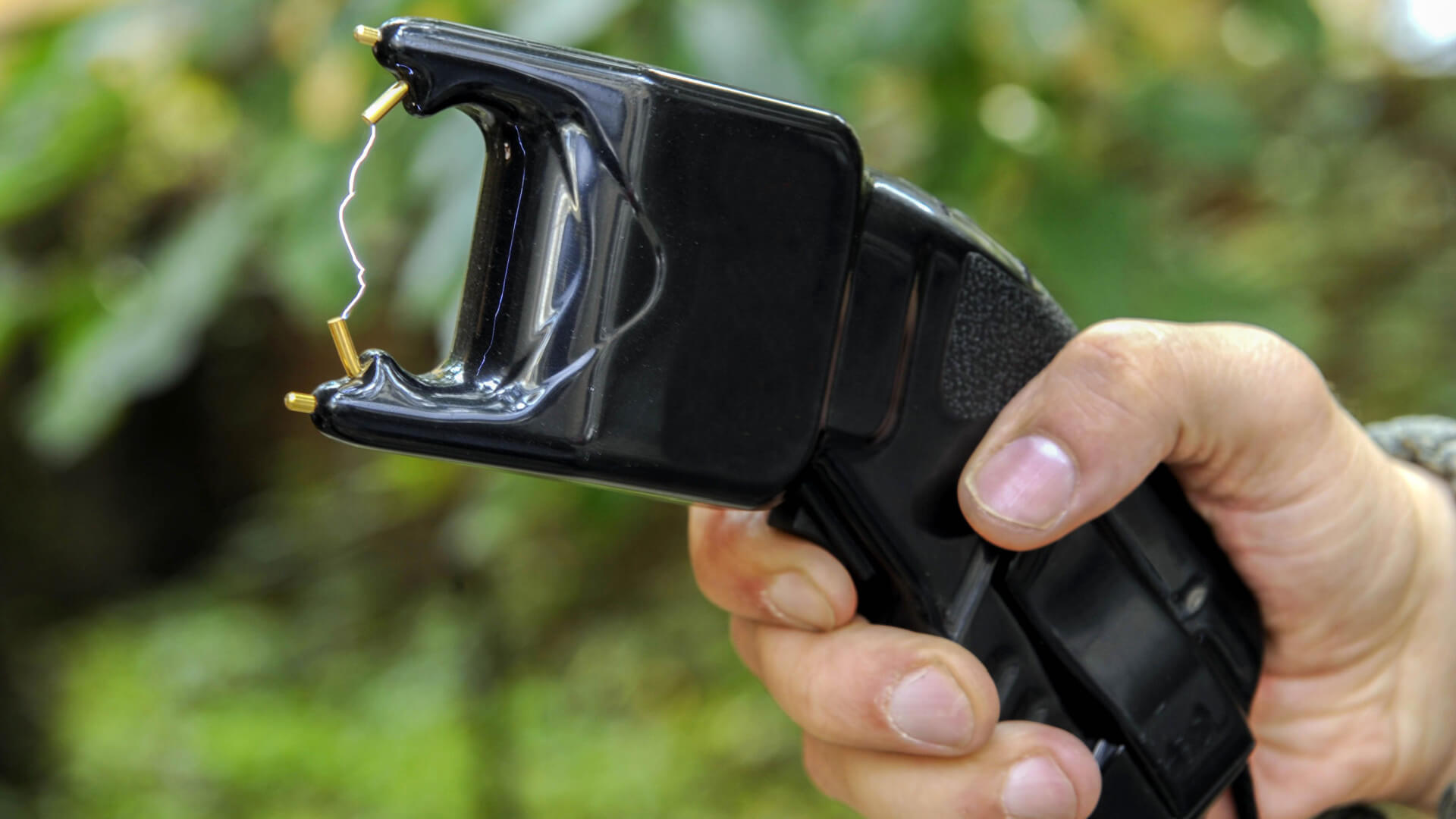
In California, the legal landscape surrounding the possession and use of stun guns and Tasers is shaped by precise statutory definitions that differentiate the two devices. While both are classified under the broader category of “less-lethal” weapons, a stun gun typically refers to a device that delivers an electric shock on direct contact with the body, immobilizing an assailant temporarily. In contrast, a Taser is designed to fire projectiles with barbs attached via wires, delivering an electric charge from a distance. Understanding these distinctions is crucial because California law applies different regulations depending on the device type, affecting who can legally carry them, under what circumstances, and with what permits or restrictions.
California law also carefully outlines classifications and permissible uses of these devices. Generally, stun guns and Tasers are categorized as non-firearm weapons but are subject to specific restrictions including:
- Age requirements (typically 18 years or older for possession)
- Prohibitions on possession by felons, individuals with restraining orders, and certain other groups
- Restrictions on carrying these devices in government buildings, schools, and other sensitive areas
Violating these classifications can lead to criminal charges ranging from misdemeanors to felonies. Therefore, any Californian considering owning or carrying a stun gun or Taser should be fully aware of these legal parameters to ensure compliance and avoid serious legal consequences.
Key Restrictions and Permitted Uses Under California Law
In California, the use and possession of stun guns and Tasers are regulated under specific legal constraints aimed at balancing personal safety with public security concerns. Ownership is generally permitted for adults 18 and older, but there are strict limitations on carrying concealed devices without proper authorization. Individuals with certain criminal backgrounds, particularly felonies involving violence, are prohibited from owning or using these devices. Moreover, the device itself must conform to approved standards, as modified or homemade versions can lead to severe penalties. Notably, law enforcement officers have broader allowances compared to civilians, reflecting their role in public protection.
Permitted uses are narrowly defined, largely focusing on self-defense in situations where physical harm is imminent. The law explicitly forbids deploying stun guns or Tasers for offensive or aggressive behavior. Additionally, using these devices on certain protected groups, such as minors or individuals with disabilities, carries enhanced legal consequences. When it comes to transportation, devices must be stored securely and should not be readily accessible in vehicles, especially in places where minors are present. Key points include:
- Restricted sale and transfer: Only licensed dealers may sell or transfer stun guns and Tasers.
- Prohibitions on public use: Using these devices in public spaces without a valid defensive reason is illegal.
- Limitations in sensitive locations: Devices are banned in schools, government buildings, and correctional facilities.
Understanding and adhering to these restrictions is crucial to legally protecting yourself while avoiding unintended criminal liability.
Navigating Purchase, Possession, and Carrying Regulations with Compliance Tips
When it comes to purchasing stun guns or Tasers in California, it’s crucial to verify your eligibility beforehand. California law mandates that buyers be at least 18 years old and prohibits sales to felons or individuals with certain restraining orders. Always confirm that the retailer is licensed and that the product is legally compliant with state regulations – devices that resemble firearms may be subject to additional restrictions. Additionally, retain your purchase receipt and any certification documents as proof of lawful acquisition, which can be vital during any legal scrutiny or law enforcement interactions.
Possession and carrying regulations impose further responsibility. Stun guns and Tasers must not be carried into sensitive areas such as schools, government buildings, or places where firearms are prohibited. Some cities may enforce stricter local ordinances, so staying updated with municipal codes is equally important. To ensure proper compliance:
- Keep your device concealed and only use it for lawful self-defense.
- Avoid public intoxication or reckless use that might attract legal penalties.
- Store the device securely, away from unauthorized users, especially minors.
Practicing these habits not only protects you legally but also promotes responsible ownership in California’s complex regulatory environment.
Recommendations for Responsible Ownership and Staying Updated on Legal Changes
To ensure compliance with California’s stringent stun gun and Taser regulations, responsible ownership should begin with thorough research and ongoing education. It’s crucial to maintain updated knowledge of local and state laws, as these can change frequently due to new legislation or court rulings. Engage with reputable sources such as official government websites, legal blogs, and community safety forums. Additionally, consider consulting legal experts when in doubt to clarify any ambiguities related to possession, usage, or transportation.
Adopting proactive habits can further safeguard responsible ownership. Make it a point to:
- Regularly review state legislative updates through newsletters or alerts focused on weapons laws.
- Document compliance efforts such as permits or training certifications when applicable.
- Respect restrictions on use by avoiding carrying stun devices in prohibited places like schools, government buildings, or public transit.
- Educate family members on the legal responsibilities and safe handling to prevent misuse or accidental harm.
To Conclude
Navigating the complexities of California’s stun gun and taser laws is essential for anyone considering these devices for personal protection. As regulations continue to evolve in 2024, staying informed ensures that you remain compliant while making safe and responsible choices. Understanding the legal boundaries not only helps avoid unintended consequences but also reinforces the importance of responsible ownership. Whether you’re a resident or visitor, taking the time to familiarize yourself with these laws is a crucial step toward protecting yourself and respecting the community around you. Stay vigilant, stay informed, and always prioritize safety above all else.
Related Products


Check Our Other Blogs
- StunGun – Your Trusted Source for Stun Guns, Laws, and Self-Defense Tips
- PepperSprayLaws – Your Trusted Resource for Pepper Spray Information
- StunGunLaws – Your Trusted Guide to Stun Gun Legality and Safety
- Featured.biz – Your Hub for the Latest in Tech & Electronics
- SafetyTips – Your Guide to Smarter, Safer Living