
California’s gun laws are among the most complex and frequently debated in the United States, especially when it comes to concealed carry and non-lethal self-defense options. For residents and visitors alike, understanding the nuances of what is legal-and what isn’t-can be crucial for personal safety and staying on the right side of the law. In this article, we’ll break down the key aspects of California’s concealed carry regulations, as well as the rules surrounding non-lethal weapons such as pepper spray and stun guns. Whether you’re considering carrying for protection or simply want to stay informed, gaining clarity on these laws is essential in navigating California’s unique legal landscape.
- Concealed Carry Permits in California Explaining Eligibility and Application Procedures
- Navigating California’s Non-Lethal Self Defense Laws Understanding Approved Devices and Restrictions
- Legal Responsibilities and Safe Practices for Concealed Carry Holders in California
- Recommendations for Staying Compliant with California’s Evolving Firearm and Self Defense Regulations
- Key Takeaways
- Related Products
- Check Our Other Blogs
Concealed Carry Permits in California Explaining Eligibility and Application Procedures
To obtain a concealed carry permit in California, applicants must navigate a complex process governed by strict state regulations. Eligibility hinges on several critical factors including age, residency, and a demonstration of “good cause.” Applicants typically must be at least 21 years old and residents of the county or city where they apply. The “good cause” requirement demands that individuals provide a clear, specific reason for needing to carry a concealed weapon, which is evaluated on a case-by-case basis. Additionally, applicants must pass comprehensive background checks that screen for any criminal record, mental health issues, or substance abuse history, ensuring the person poses no danger to public safety.
The application process includes several mandatory steps designed to uphold public safety without infringing on lawful rights. These steps generally involve:
- Completing a firearms safety course, which covers firearm handling and California weapon laws.
- Submitting fingerprints for thorough background verification.
- Filing a detailed application at the local sheriff’s office or police department, where live interviews or references might be required.
Once the application is submitted, the reviewing authority has broad discretion to approve or deny the permit, with decisions influenced by community safety considerations and the applicant’s credibility. It’s crucial to understand that even with a permit, California imposes strict rules on where and how concealed weapons may be carried, reinforcing a careful balance between individual rights and public welfare.
Navigating California’s Non-Lethal Self Defense Laws Understanding Approved Devices and Restrictions
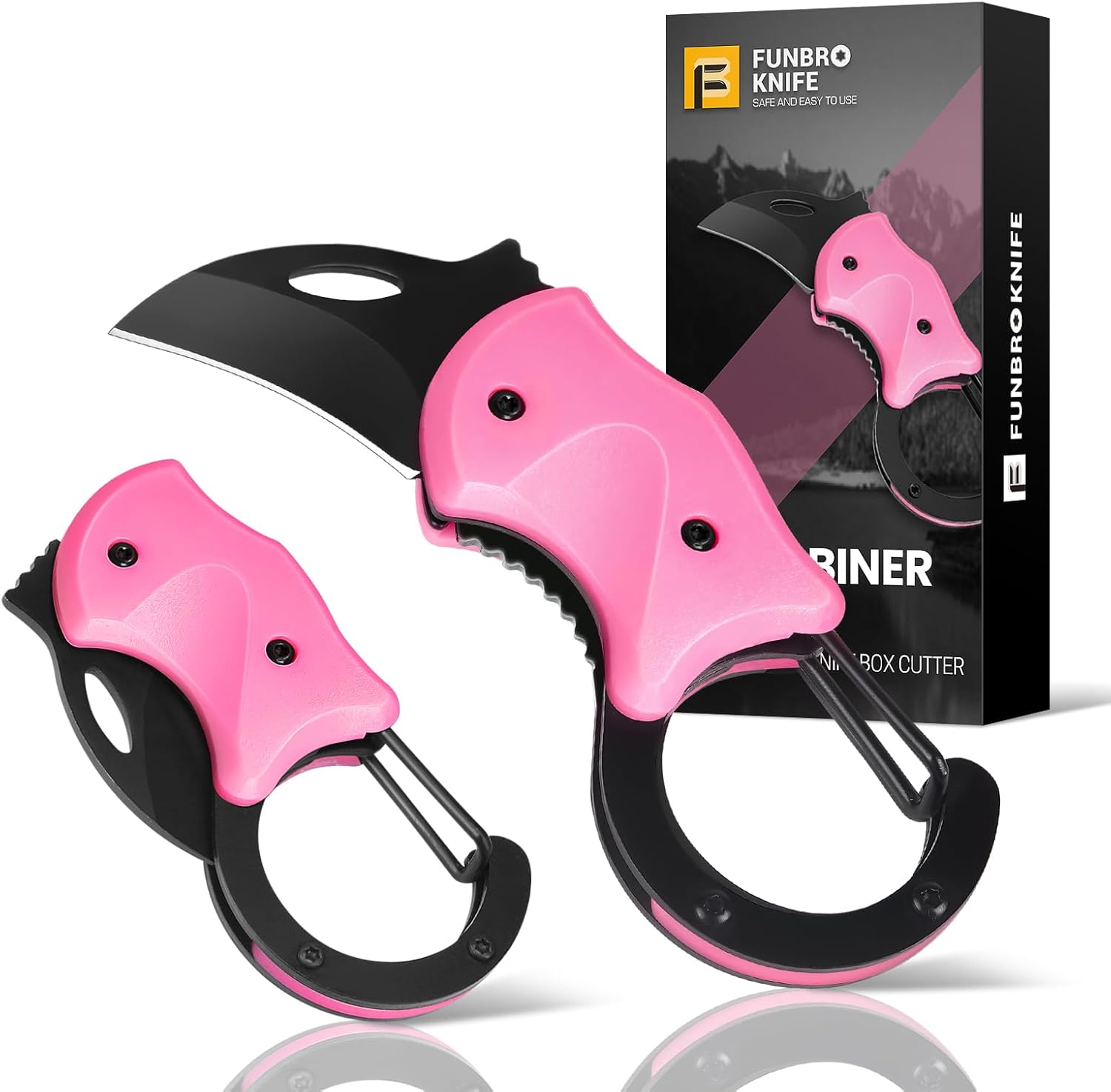
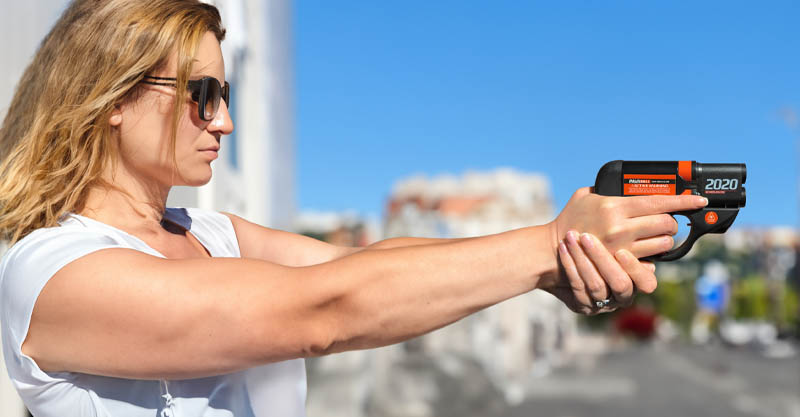
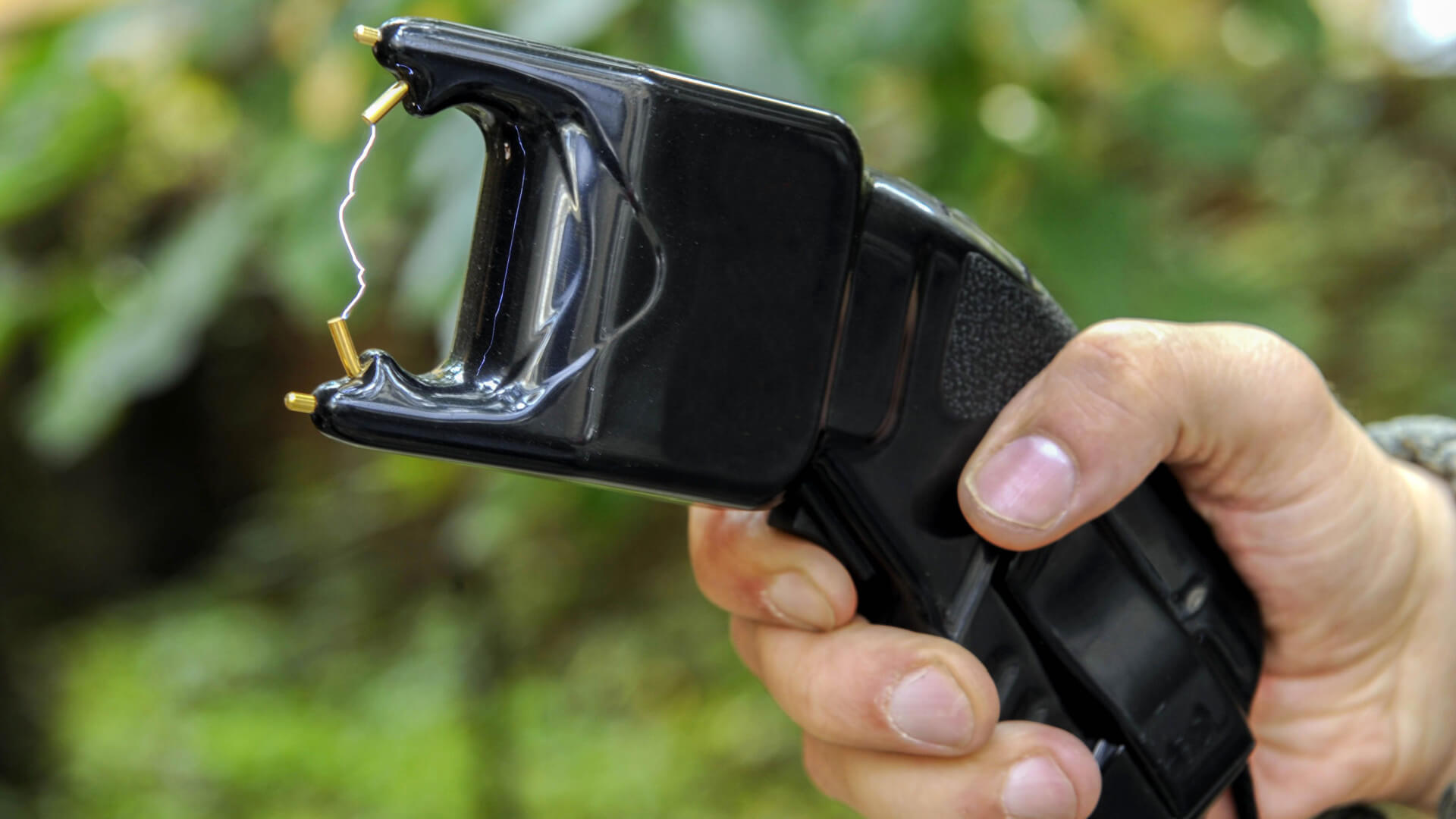
In California, the laws surrounding non-lethal self-defense tools are detailed and specific, requiring a clear understanding to avoid legal pitfalls. Certain devices such as pepper spray and stun guns are permitted, but their possession and use come with important restrictions. For example, pepper spray can be carried by adults but must not exceed 2.5 ounces in size. Additionally, stun guns are legal for self-defense but prohibited in some public places and on school grounds. It’s also crucial to recognize that some self-defense tools, like brass knuckles or switchblades, remain illegal regardless of intent, reinforcing the importance of knowing exactly which items qualify as lawful.
When selecting a non-lethal device for personal protection, adhere to the following essentials:
- Verify the device’s legal status under California’s Penal Code before purchase or carrying.
- Understand where and when using such devices is legally permissible, particularly noting any restrictions on public properties and during interactions with law enforcement.
- Ensure proper handling and storage to prevent accidental misuse or unauthorized access, especially around minors.
- Stay informed about local municipal ordinances as some cities may have additional restrictions beyond state law.
Being well-versed in these guidelines not only empowers responsible self-defense but also safeguards against unintended legal consequences.
Legal Responsibilities and Safe Practices for Concealed Carry Holders in California
Navigating California’s concealed carry landscape requires more than just holding a permit; it demands a deep commitment to understanding and adhering to both the letter and spirit of the law. Concealed carry holders must always ensure their firearm is securely holstered and inaccessible to unauthorized persons, especially minors. Carrying in prohibited places, such as federal buildings, schools, or private properties where firearms are banned, can lead to severe legal consequences. Additionally, it is crucial to keep your permit current and carry it alongside a valid government-issued ID whenever you have your weapon on you. Understanding when and how to appropriately present your firearm to law enforcement officers during traffic stops or encounters is also essential to avoid misunderstandings and potential legal trouble.
Safety should never be compromised in the realm of self-defense. Beyond legal adherence, practicing responsible firearm handling, including regular training and firearms safety courses, remains imperative. Some key safe practices include:
- Always treat your firearm as if it is loaded.
- Maintain situational awareness to avoid unnecessary confrontations.
- Store your non-lethal defense tools and firearms separately when at home.
- Regularly refresh knowledge on evolving state and local regulations.
Embracing these responsibilities not only protects the community but also empowers permit holders to exercise their rights in a conscientious, law-abiding manner.
Recommendations for Staying Compliant with California’s Evolving Firearm and Self Defense Regulations
Remaining up-to-date with California’s intricate firearm laws requires a proactive approach. Regularly consult the California Department of Justice Firearms Division and trusted legal resources to monitor legislative changes. Beyond federal regulations, California introduces frequent amendments that impact permit requirements, allowable self-defense tools, and firearm transportation rules. Incorporating tools like email alerts from official agencies or subscribing to specialized newsletters can save you from inadvertent violations. Never rely solely on outdated knowledge or second-hand advice, as penalties for non-compliance can be severe, including fines and legal prosecution.
Additionally, when it comes to non-lethal defense options such as pepper spray or tasers, ensure you understand both the legal limits and proper usage guidelines. For instance, in California, pepper spray containers are limited to under 2.5 ounces, and certain zip codes prohibit specific devices. It’s advisable to:
- Maintain physical possession or easy access of your concealed carry permit at all times
- Enroll in approved firearms training courses to stay proficient and aware of legal nuances
- Keep documentation and records of all firearm purchases and transfers
- Consult with an attorney specializing in California firearms law whenever uncertain about new self-defense products or laws
Key Takeaways
Navigating California’s concealed carry and non-lethal weapon laws can be complex, but understanding the key regulations is essential for responsible and lawful ownership. Whether you’re considering a concealed carry permit or exploring non-lethal options for personal protection, staying informed helps ensure your safety while respecting the state’s legal boundaries. Always remember to consult official resources or legal professionals to stay up-to-date, as laws may evolve over time. Armed with knowledge, you can make decisions that protect not only yourself but also the community around you.
Related Products


Check Our Other Blogs
- StunGun – Your Trusted Source for Stun Guns, Laws, and Self-Defense Tips
- PepperSprayLaws – Your Trusted Resource for Pepper Spray Information
- StunGunLaws – Your Trusted Guide to Stun Gun Legality and Safety
- Featured.biz – Your Hub for the Latest in Tech & Electronics
- SafetyTips – Your Guide to Smarter, Safer Living







:max_bytes(150000):strip_icc()/tal-shes-birdie-the-original-personal-safety-alarm-asia-london-palomba-2-a6460ae8a2e64c12b65a113589aab4e2.jpeg "Top Travel Security Gadgets for Hotels and Vacation Rentals")