

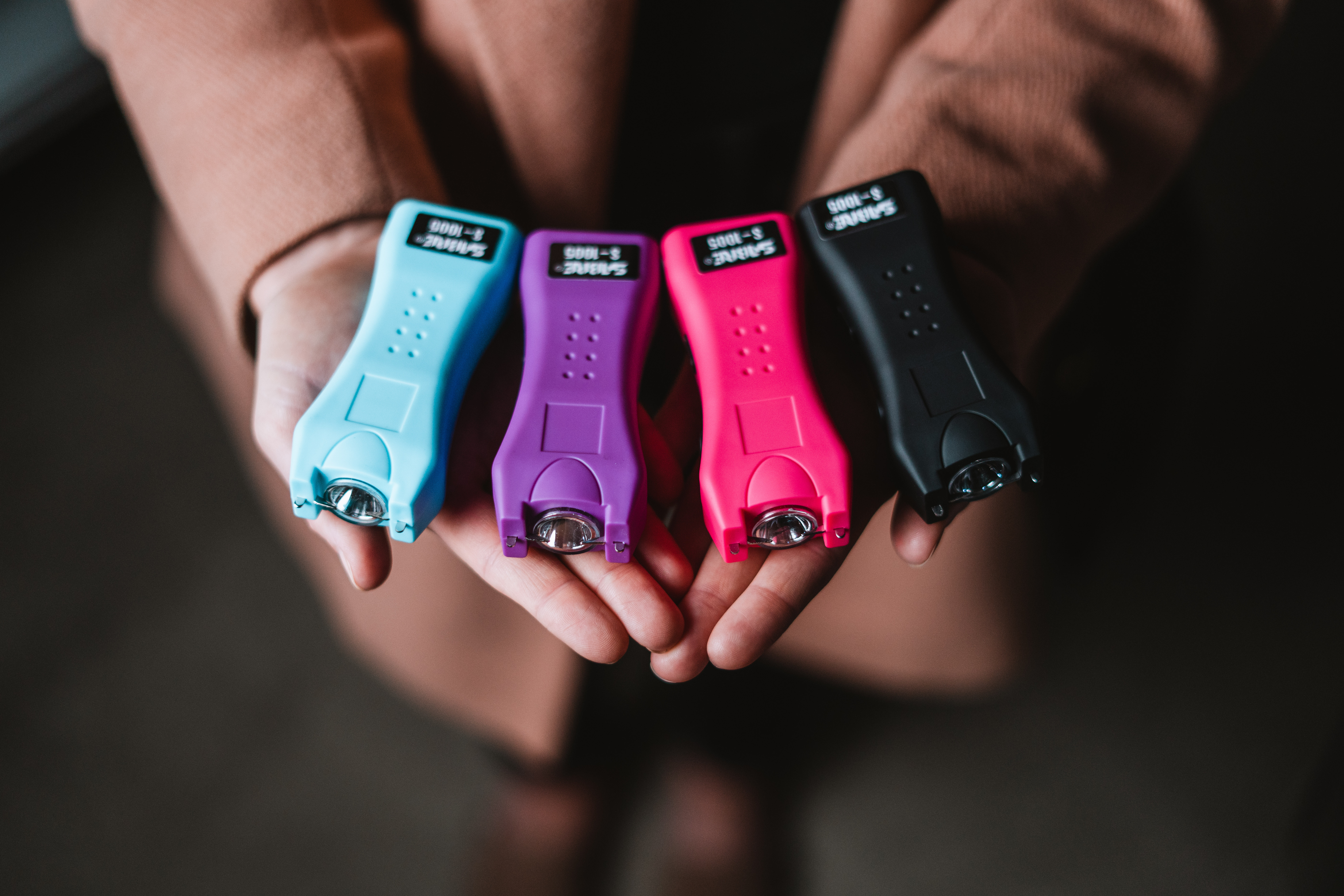
In recent years, Tasers have become a popular tool for personal safety and law enforcement, offering a non-lethal alternative to traditional weapons. However, the legal landscape surrounding their possession and use is complex and varies widely depending on your location. Understanding where Tasers are permitted-and where they are strictly prohibited-is crucial for anyone considering their use or carrying one for self-defense. In this article, we’ll break down the essential Taser laws, helping you stay informed and compliant no matter where you are.
Taser Laws Across Different States and Countries
When it comes to owning and carrying tasers, the legal landscape varies widely across different jurisdictions. In the United States, some states permit civilian possession with few restrictions, while others impose strict regulations or outright bans. For example, states like Texas and Arizona generally allow taser ownership without a permit, whereas California requires permits and limits their use to self-defense. Additionally, cities may have their own ordinances adding another layer of complexity. Internationally, countries such as Canada have stringent rules categorizing tasers as prohibited weapons, making civilian possession illegal. Conversely, in countries like the United Kingdom, tasers are primarily restricted to law enforcement, and unauthorized possession can lead to severe penalties.
- Permitted with Minimal Restrictions: Texas, Arizona, Georgia, Florida
- Permitted but Regulated: California, New York, Illinois
- Restricted to Law Enforcement: United Kingdom, Germany, Australia
- Prohibited Ownership: Canada, Japan, Norway
Understanding these variations is critical before purchasing or carrying a taser. Ignorance of local laws can result in fines, confiscation, or even criminal charges. Responsible ownership includes researching state or country-specific legislation and complying with any permit or registration requirements. For individuals seeking non-lethal self-defense options, consulting local legal guidelines is an essential first step to ensure their taser use remains lawful and safe.
Understanding Legal Restrictions and Requirements for Taser Ownership
When considering the ownership of a Taser, it is crucial to recognize that legal frameworks vary widely by jurisdiction. Many regions implement strict regulations to ensure responsible usage and public safety. For example, some states and countries require prospective owners to obtain a license or permit before purchasing or carrying a Taser, while others restrict ownership exclusively to law enforcement personnel. Additionally, certain areas impose age limits, background checks, or mandatory training courses. Failure to comply with these regulations can lead to fines, confiscation of the device, or even criminal charges.
Key legal considerations often include:
- Permissible locations for carrying and using a Taser, such as prohibitions in schools, government buildings, and public transportation
- Restrictions on the power and type of stun devices allowed
- Clarification on the self-defense justification and circumstances under which deployment is legal
- Mandatory reporting or registration requirements after acquisition or use
Understanding these requirements is essential not only to stay within the law but also to respect the ethical responsibility that comes with wielding a potentially dangerous device. It’s advisable to consult local statutes and consult legal experts when in doubt before attempting to acquire or carry a Taser.
Implications of Illegal Taser Use and Penalties to Expect
When Tasers are used illegally, the consequences can be severe and far-reaching. Unauthorized possession or deployment can lead to criminal charges such as misdemeanor or felony assault, depending on the jurisdiction and circumstances of use. Law enforcement and courts often view illegal use as a serious offense because Tasers can cause significant harm or escalate violent encounters. In some regions, even carrying a Taser without the proper permits can result in confiscation, hefty fines, or jail time, highlighting the importance of understanding local regulations before considering ownership or use.
Penalties may also include mandatory community service, victim restitution, and probation. In addition, the illegal use of a Taser can have lasting effects beyond legal punishment, such as civil lawsuits brought by those injured or threatened. Some areas further impose restrictions on resale or transfer of devices, making any unauthorized exchange a punishable offense. To avoid these ramifications, it’s crucial to familiarize yourself with the exact laws applicable to your locale and ensure compliance with all requirements, including age restrictions, permit acquisition, and approved contexts for use.
Guidelines for Responsible Taser Use and Staying Within the Law
When using a taser, it’s essential to prioritize safety and legality to avoid serious consequences. Always ensure that the deployment of a taser is strictly for self-defense and only when faced with an immediate threat. Avoid brandishing or using it in a manner that could be perceived as intimidation, as this can lead to legal trouble. Remember, discharging a taser without just cause may be considered assault or reckless endangerment in many jurisdictions. Proper training on how to handle and deploy the device responsibly is crucial for minimizing risk to yourself and others.
To stay compliant with local laws, consider the following core principles:
- Check your local legislation carefully: Some regions require permits or prohibit civilian ownership altogether.
- Do not carry a taser in prohibited areas: These often include schools, government buildings, and public gatherings.
- Use a taser only as a last resort: When lesser means of protection or deterrence are ineffective or unavailable.
- Regularly review changes in laws: Since regulations across cities and states can change rapidly, staying informed is key.
The Way Forward
In a world where personal safety remains a top priority, understanding the legal landscape surrounding tasers is crucial. As we’ve explored, laws vary widely from place to place-what’s legal in one state or country might be strictly prohibited just a few miles away. Staying informed not only helps you stay compliant but also ensures you’re making responsible choices about self-defense tools. Before purchasing or carrying a taser, always take the time to research local regulations and consult official resources. Remember, knowledge is your first line of defense in protecting yourself safely and legally.Related Products


Check Our Other Blogs
- StunGun – Your Trusted Source for Stun Guns, Laws, and Self-Defense Tips
- PepperSprayLaws – Your Trusted Resource for Pepper Spray Information
- StunGunLaws – Your Trusted Guide to Stun Gun Legality and Safety
- Featured.biz – Your Hub for the Latest in Tech & Electronics
- SafetyTips – Your Guide to Smarter, Safer Living










:format(webp) "Using Stun Guns and Tasers Safely in Close-Range Conflicts")
