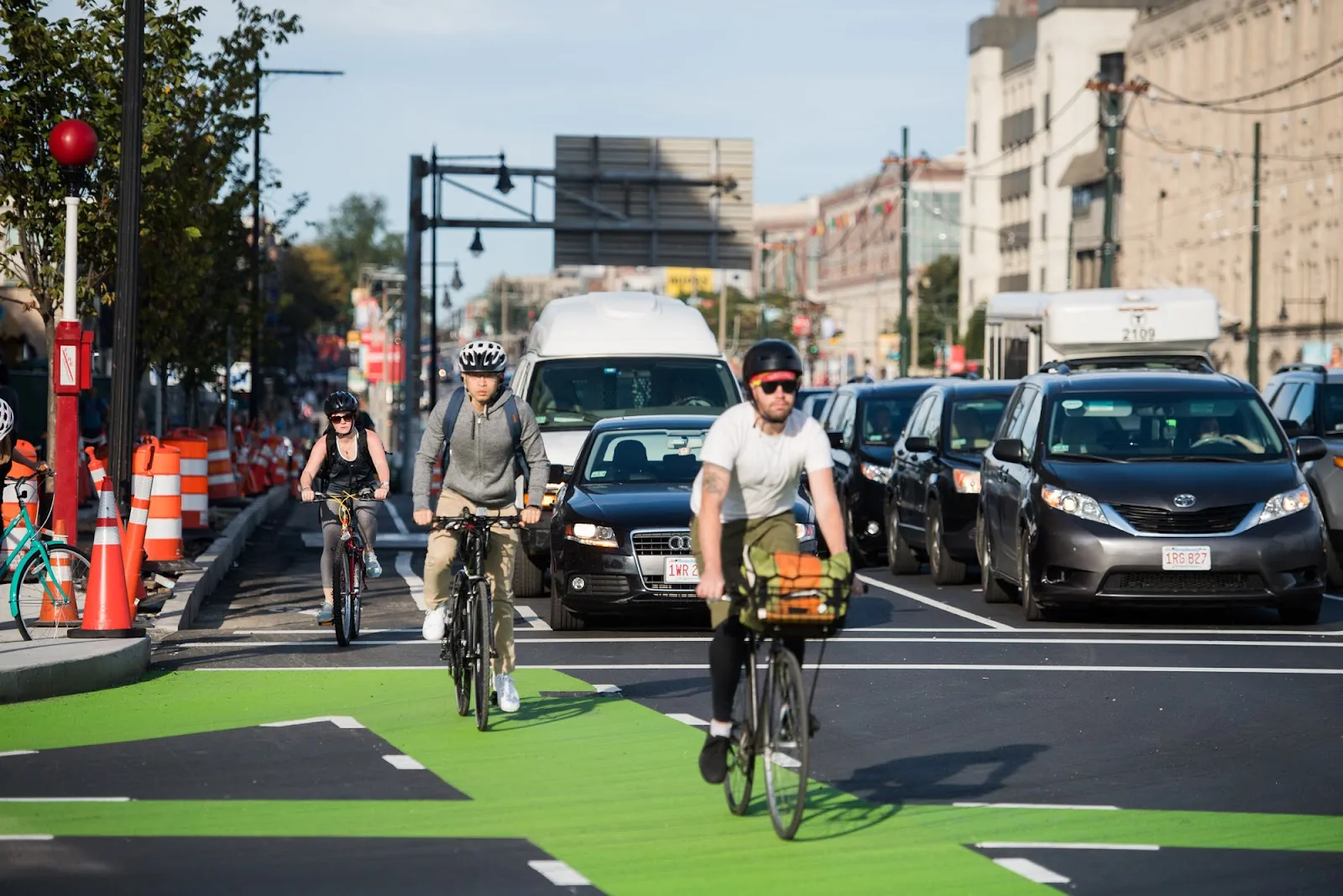


As students head back to school, ensuring their safety on the streets becomes a priority for parents, educators, and communities alike. Navigating busy roads, crowded sidewalks, and unexpected situations requires more than just vigilance-it demands a set of practical skills and awareness that can protect young learners every day. In this article, we’ll explore essential street safety tips every student should know before stepping out the door, equipping them with the knowledge to travel confidently and securely on their way to and from school. Staying safe isn’t just about caution; it’s about empowering students to make smart decisions that can prevent accidents and keep them out of harm’s way.
Understanding Traffic Signals and Crosswalk Etiquette
The foundation of street safety begins with recognizing the meaning behind each traffic signal. Red lights demand a complete stop, ensuring vehicles and pedestrians do not clash. When the light turns green, it’s your signal to proceed – but only after a quick safety check. A steady yellow light serves as a warning to slow down and prepare to stop. Pedestrians should always pay close attention to the walk signals and never assume it’s safe to cross based solely on traffic lights.
Proper behavior at crosswalks is equally vital for your safety. Always use marked crosswalks rather than crossing between parked cars or mid-block. Here are a few key points to keep in mind:
- Wait for the walk signal before stepping off the curb.
- Look left, right, and left again to double-check for any oncoming vehicles.
- Make eye contact with drivers to confirm they see you before crossing.
- Keep distractions away – put your phone down and avoid loud music while crossing.
These precautions help create a safer environment for everyone on the road, especially students navigating their way to school every day.
Awareness of Surroundings and Avoiding Distractions
Students navigating busy streets must be fully alert to their environment at all times. Being aware of approaching vehicles, bicycles, and other pedestrians can prevent accidents before they happen. It’s essential to keep eyes looking ahead and ears open, avoiding the temptation to become engrossed in phones, music, or conversations. Simple actions like pausing before crossing intersections to look both ways and scanning the sidewalk for any sudden movements help maintain a clear sense of surroundings.
Distractions can significantly increase risk on the road. Encouraging students to set aside electronic devices and avoid headphones near traffic acts as a vital safety measure. A few key reminders include:
- Keep phone usage to a minimum while walking, especially near intersections or crossing zones.
- Use one earbud at most if listening to audio, to stay alert to ambient sounds.
- Avoid texting or gaming while in transit-these activities dramatically reduce reaction time.
Being mindful of these habits fosters a safer journey and cultivates responsibility that benefits every student on their way to school.
Safe Walking Routes and Group Travel Benefits
Identifying and sticking to well-lit, frequently traveled streets significantly increase pedestrian safety for students. Opt for routes that have clearly marked crosswalks, pedestrian signals, and sidewalks free of obstructions. Avoid shortcuts through alleys or poorly maintained paths, especially during low-light conditions. When planning your journey, map out alternatives so you can choose the safest path depending on the situation. Carrying a mobile phone and sharing your route with a trusted adult can also enhance security and peace of mind.
Traveling in groups offers numerous safety advantages beyond just increased visibility. Students walking together can watch out for one another, reduce the chances of being targeted by strangers, and share responsibility in emergency situations. Group travel also promotes better adherence to crossing rules and street signs, as peers often remind each other to stay vigilant. To maximize safety benefits, arrange consistent meet-up points and times, and agree on protocols if someone needs to split off or arrives late. This collective approach transforms the journey to and from school from a solitary risk into a shared, secure routine.
- Choose routes with active pedestrian traffic
- Prefer well-known streets with good lighting
- Use sidewalks and always cross at designated crosswalks
- Walk with friends or neighbors whenever possible
- Communicate travel plans with family members
Emergency Preparedness and How to Seek Help Safely
In moments of crisis, quick thinking and calm actions can make a significant difference. Always have a trusted adult or guardian’s contact numbers programmed on your phone and memorized if possible. If you find yourself in an emergency, seek out public spaces like stores, schools, or libraries where you can find help from responsible adults. When asking for assistance, approach someone who is accompanied by others and avoid isolated individuals. Remember to clearly and calmly explain your situation, stating your location and the help you need without revealing unnecessary personal details.
When it comes to urgent help, your safety comes first-never hesitate to call emergency services if you feel threatened or are in danger. Use your phone’s emergency dial feature, which can be accessed even when it’s locked. Here are some important steps to keep in mind:
- Stay visible: Stay in well-lit, populated areas while you wait for help.
- Trust your instincts: If a situation feels wrong, remove yourself immediately.
- Stay on the line: If you call emergency services, stay on the phone and answer questions until help arrives.
- Keep identification handy: Always have your school ID or a phone card with emergency info stored.
Final Thoughts
Staying safe on the streets is not just about avoiding danger-it’s about empowering yourself to confidently navigate your daily journey to and from school. By practicing these essential safety tips, students can reduce risks and build habits that protect them throughout their lives. Remember, your safety starts with awareness, preparedness, and making smart choices every step of the way. Keep these guidelines in mind, stay alert, and encourage your friends to do the same-because looking out for each other is the best way to create a safer community for everyone. Stay safe out there!
Related Products


Check Our Other Blogs
- StunGun – Your Trusted Source for Stun Guns, Laws, and Self-Defense Tips
- PepperSprayLaws – Your Trusted Resource for Pepper Spray Information
- StunGunLaws – Your Trusted Guide to Stun Gun Legality and Safety
- Featured.biz – Your Hub for the Latest in Tech & Electronics
- SafetyTips – Your Guide to Smarter, Safer Living


:format(webp) "Using Stun Guns and Tasers Safely in Close-Range Conflicts")