
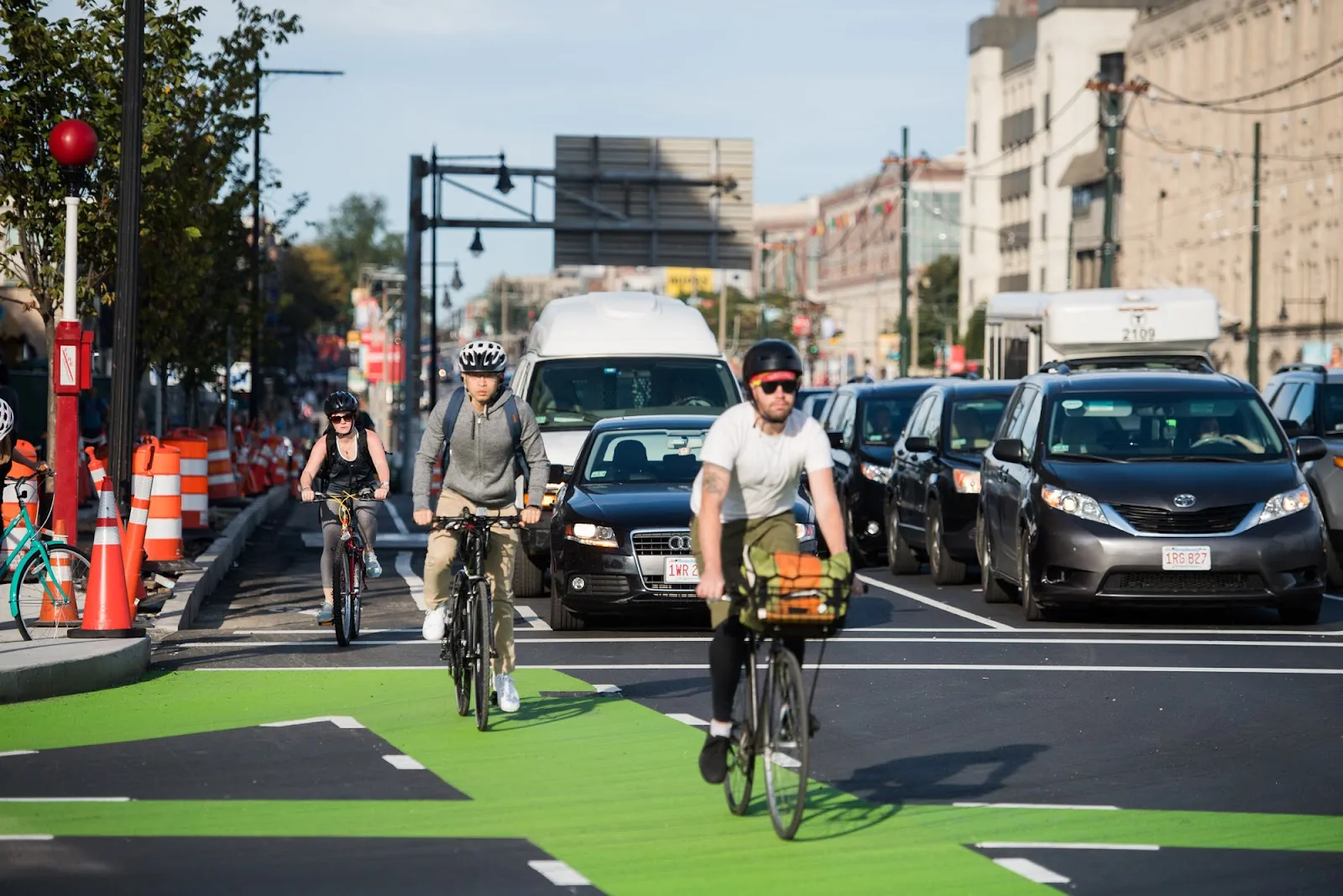
Intersections are some of the most complex and potentially dangerous spots on our roads. With cars, bikes, pedestrians, and sometimes even public transit all converging in one place, the risk of accidents can skyrocket if we’re not paying close attention. Staying alert at busy intersections isn’t just about following the rules-it’s about actively anticipating what’s happening around you, spotting hazards early, and making safe decisions. In this article, we’ll explore practical tips to help you stay sharp and safe whenever you approach a bustling intersection, ensuring you get where you’re going without incident.
Staying Aware of Your Surroundings to Prevent Accidents
Maintaining constant vigilance is essential when navigating through busy intersections, where the risk of accidents is significantly higher due to the convergence of vehicles, cyclists, and pedestrians. Always keep your eyes moving, scanning not just the traffic lights but also the behavior of those around you. Look out for sudden stops, erratic driving, or pedestrians who may unexpectedly step into your path. Avoid distractions like mobile phones or loud music, as even a split-second loss of attention can have severe consequences.
To heighten your awareness, consider adopting these practices:
- Use all your senses: Listen for emergency vehicles and watch for visual cues like flashing lights or pedestrian signals.
- Anticipate others’ actions: Predict possible movements by observing body language, such as a cyclist signaling a turn or a pedestrian making eye contact.
- Maintain a safe distance: Give yourself room to react by keeping a buffer space from vehicles in front and alongside you.
Understanding Traffic Signals and Pedestrian Right of Way
Traffic signals serve as the backbone of order at intersections, guiding both drivers and pedestrians through staggered movements that prevent conflicts and keep everyone safe. Recognizing the meaning behind each light-red for stop, yellow for caution, and green for go-is fundamental, but understanding the *when* and *how* of pedestrian crossing adds an additional layer of safety. Pedestrians must always wait for the “walk” signal before stepping onto the road, even if the intersection looks clear, as vehicles may still have the right of way under certain turning scenarios. Conversely, drivers are legally obligated to yield to pedestrians actively crossing within marked crosswalks, no matter the signal, maintaining an unyielding priority on pedestrian safety.
Key points to remember include:
- Always stop completely at red lights and never attempt to beat them when turning.
- Watch for pedestrians at all times, especially during green lights where turning vehicles may not expect crossing foot traffic.
- Pedestrians should make eye contact with drivers before crossing to ensure they’ve been seen.
- Be aware of countdown timers that indicate remaining crossing time, adjusting your pace accordingly to avoid being caught mid-crossing when the light changes.
Effective Strategies for Navigating Complex Intersections
Mastering the art of navigating complex intersections requires more than just understanding traffic signals; it demands acute awareness and preparation. Begin by scanning the entire intersection well in advance, noting any turning vehicles, pedestrians, cyclists, and road signs that might affect your path. Maintaining a safe following distance enables you to react swiftly to sudden stops or unexpected maneuvers around you, reducing the risk of collisions. Additionally, anticipate the timing of light changes and avoid entering an intersection on a yellow or red signal, as this can often lead to hazardous situations.
Adopting a proactive mindset means incorporating habits that foster safety and confidence:
- Use turn signals early to communicate your intentions clearly to other drivers and pedestrians.
- Make eye contact with pedestrians and cyclists whenever possible to confirm their awareness of your presence.
- Stay out of blind spots of larger vehicles and always check mirrors and blind spots multiple times.
- Reduce distractions by silencing your phone and focusing solely on driving when approaching and crossing intersections.
Using Technology and Tools to Enhance Intersection Safety
Advances in technology have revolutionized intersection safety, providing both drivers and pedestrians with innovative tools to navigate complex traffic scenarios more effectively. Many cities are now deploying smart traffic signals equipped with sensors and AI algorithms that adapt light timings based on real-time traffic flow. These systems help reduce congestion and minimize wait times, but more importantly, they improve the predictability of signal changes, allowing users to anticipate crossing moments with greater confidence. Additionally, pedestrian detection cameras enhance awareness by alerting drivers to individuals entering the crosswalk, significantly decreasing the risk of accidents.
Beyond infrastructure, personal technology plays an increasingly vital role. Smartphones paired with safety apps can notify users of upcoming intersections, provide audible crossing signals for those with visual impairments, and even remind distracted drivers to stay alert through vibration alerts. Wearable devices and connected car systems further contribute by sharing positional data to prevent collisions before they occur. For those looking to enhance their situational awareness, consider integrating tools such as:
- Dashcams with collision warning features
- Heads-up displays projecting crucial data without diverting attention
- GPS navigation apps that provide intersection crash data and alert drivers accordingly
- Pedestrian crossing alerts embedded in wearable devices or smartphones
Harnessing these technological aids thoughtfully can transform the way we approach intersection safety, shifting from reactive caution to proactive awareness.
Wrapping Up
Staying alert at busy intersections isn’t just a good habit-it’s a crucial step toward protecting yourself and others on the road. By honing your awareness, following traffic signals carefully, and minimizing distractions, you can significantly reduce the risk of accidents. Remember, safety starts with you. Make it a priority every time you approach a crowded crossing, and encourage others to do the same. Together, we can create safer streets for everyone. Stay sharp, stay safe.
Related Products


Check Our Other Blogs
- StunGun – Your Trusted Source for Stun Guns, Laws, and Self-Defense Tips
- PepperSprayLaws – Your Trusted Resource for Pepper Spray Information
- StunGunLaws – Your Trusted Guide to Stun Gun Legality and Safety
- Featured.biz – Your Hub for the Latest in Tech & Electronics
- SafetyTips – Your Guide to Smarter, Safer Living