
When it comes to personal safety, choosing the right self-defense gear can make all the difference. Among the many options available, the sabre and the mace stand out as two popular yet distinctly different tools designed to protect you in dangerous situations. But which one truly offers better effectiveness, ease of use, and practicality? In this article, we’ll dive deep into an in-depth comparison of sabre versus mace, breaking down their features, advantages, and potential drawbacks. Whether you’re a seasoned defender or a beginner looking to make an informed decision, understanding the nuances of these tools is crucial for ensuring your safety and confidence when it matters most.
Effectiveness and Range in Real-World Self-Defense Situations
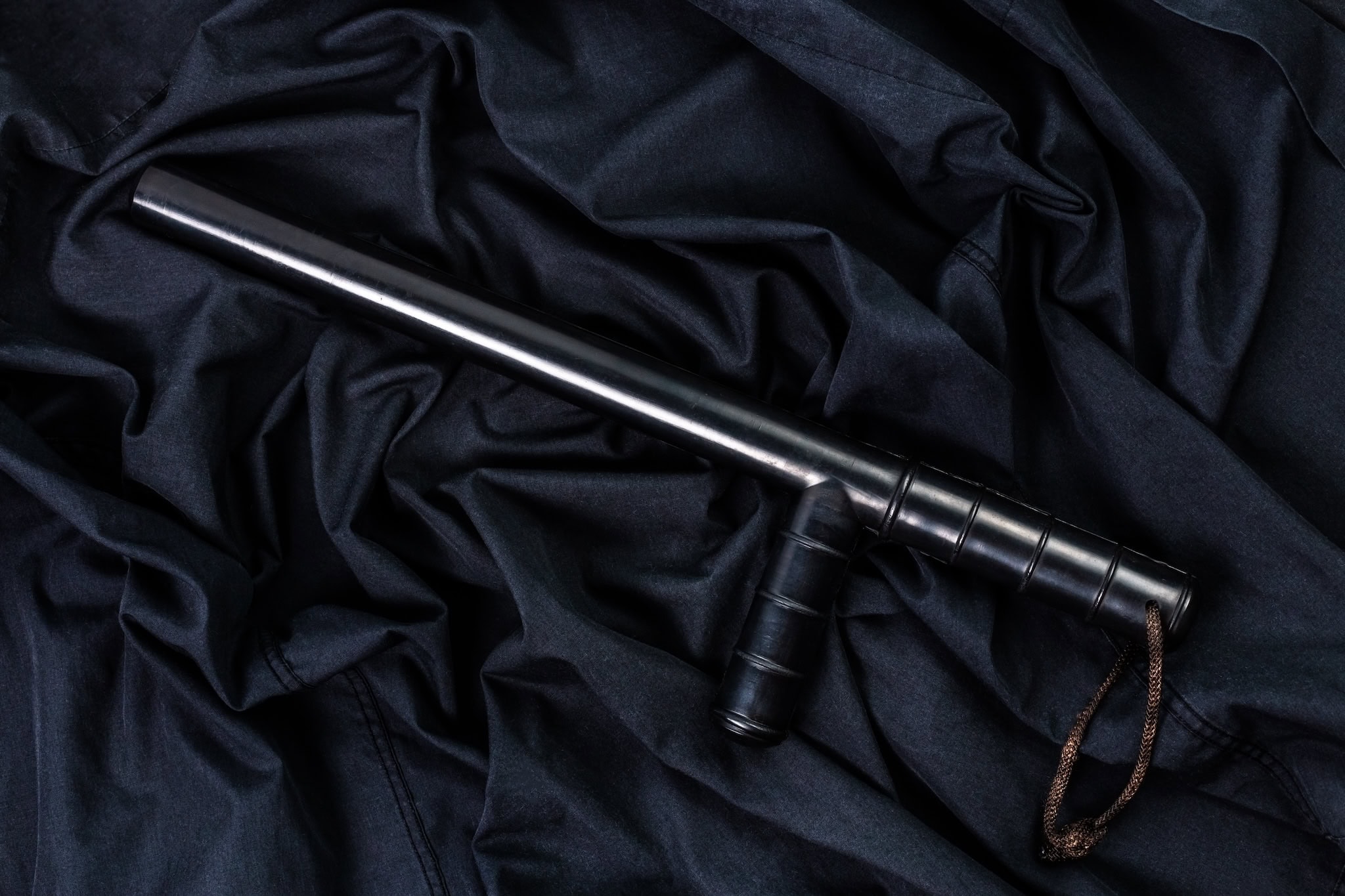
When evaluating effectiveness in real-world self-defense scenarios, both the sabre and mace bring unique advantages to the table. A sabre’s sharp blade allows for precise slashing and thrusting, which can deliver incapacitating damage quickly. However, its utility demands a certain level of skill and close proximity to the attacker. The mace, by contrast, excels through blunt force trauma, capable of stunning or disorienting an assailant without the finesse of swordsmanship. This makes the mace particularly effective against an untrained assailant or in chaotic situations where fine motor skills may be compromised.
Range is another critical factor to consider in high-stress encounters. A sabre’s length offers a greater reach compared to the typically shorter mace, affording the user a safer buffer zone from adversaries. This is particularly advantageous when facing multiple attackers or when retreating is necessary. Conversely, the mace’s compact size provides superior maneuverability in confined spaces such as narrow hallways or crowded environments. Both tools demand situational awareness, but the choice between reach and control ultimately depends on the environment and expected threat level.
- Sabre: Longer range, requires training, precise striking capability
- Mace: Short range, easier to wield, effective blunt impact
- Context: Open areas favor sabre, confined spaces enhance mace utility
Ease of Use and Accessibility for Different Skill Levels
When it comes to self-defense gear, the practical usability for individuals across a broad spectrum of skill levels is paramount. Sabres often demand a certain level of physical coordination and training to wield effectively, making them more suited for users who have prior experience or are willing to undergo specific combat training. Their technique-sensitive nature means beginners might find them intimidating or challenging to apply efficiently in high-pressure situations. Conversely, a mace is designed with straightforward activation and aims for immediate impact rather than technique, favoring those who prioritize accessibility and quick response in emergencies.
Considering ease of use, here are key factors:
- Sabre: Requires practice for precision, proper stance, and timing to maximize effectiveness.
- Mace: Generally user-friendly, relying mostly on proximity and direct contact to incapacitate an attacker.
- Training demands: Sabres benefit from dedicated sessions to build muscle memory, whereas maces demand less skill acquisition.
- Accessibility: Maces can be carried and deployed by most individuals regardless of age or physical strength which enhances their utility.
Ultimately, the choice between a sabre and a mace heavily depends on the user’s comfort level, physical capabilities, and willingness to engage in continuous training. For novices or those seeking a no-fuss option, maces provide an inclusive and effective solution, while sabres reward users committed to mastering their distinct techniques.
Legal Considerations and Carrying Restrictions by Region
When considering self-defense tools like sabres and mace, it’s crucial to understand that legal regulations vary significantly across different regions. In many countries, carrying a machete-style sabre is often restricted or prohibited outright, due to its potential classification as an offensive weapon rather than a defensive one. Conversely, mace and pepper sprays frequently fall under regulations that regulate their concentration, carry permits, and use in public spaces. For instance, some U.S. states allow pepper spray possession with minimal restrictions, while others require permits or prohibit it entirely. Meanwhile, European countries may classify these sprays as controlled substances, necessitating strict licensing. Always research local laws before purchasing or carrying any self-defense equipment to avoid legal consequences.
The enforcement of carrying restrictions also extends to how and where you can transport these defensive items. Public places such as schools, airports, and government buildings often ban both sabres and mace outright, regardless of local carry laws. Additionally, concealed carry laws apply differently; some regions permit open display of mace but prohibit concealed carry of bladed weapons, while others ban all forms of self-defense weapons regardless of presentation. This legal patchwork means that even if you’re legally allowed to own a sabre or mace, you might still be at risk of fines or confiscation when moving through certain areas. Carefully reviewing state, provincial, and local government statutes is indispensable to ensure that your chosen method of protection does not land you on the wrong side of the law.
Choosing the Right Tool for Your Personal Safety Needs
When deciding on a personal safety device, it’s essential to assess your unique circumstances and comfort level with the tool. Both Sabre and Mace offer effective options, but factors such as ease of use, spray range, and after-effect protection can influence your choice. Consider whether you need a compact device that fits effortlessly in your pocket, or a larger model with a more substantial spray output. User-friendliness, quick accessibility, and legal considerations in your area should also play a critical role in your decision-making process.
Additionally, think about the environment where you’re most likely to use the device. For urban settings with crowded spaces, a highly concentrated stream might be preferable to avoid affecting bystanders. Meanwhile, those frequently in less populated areas may benefit from a wider spray pattern for a more immediate deterrent effect. Evaluate these key points to make a smart choice:
- Visibility of activation – How easily can you deploy the spray under stress?
- Spray delivery – Stream, fog, or foam, each affects accuracy and exposure.
- After-spray effects – Duration and intensity of the deterrent impact.
- Size and portability – Will you carry it daily without discomfort?
Insights and Conclusions
In the end, choosing between a sabre and a mace for self-defense boils down to understanding your specific needs, skill level, and the context in which you expect to use the weapon. Both offer distinct advantages and drawbacks-while the sabre provides agility and precision, the mace delivers brute force and impact. Prioritizing proper training, legal considerations, and personal comfort will ultimately guide you to the best choice. Remember, self-defense is not just about the gear you carry but also the confidence and preparedness behind it. Stay informed, stay sharp, and stay safe.Related Products


Check Our Other Blogs
- StunGun – Your Trusted Source for Stun Guns, Laws, and Self-Defense Tips
- PepperSprayLaws – Your Trusted Resource for Pepper Spray Information
- StunGunLaws – Your Trusted Guide to Stun Gun Legality and Safety
- Featured.biz – Your Hub for the Latest in Tech & Electronics
- SafetyTips – Your Guide to Smarter, Safer Living