
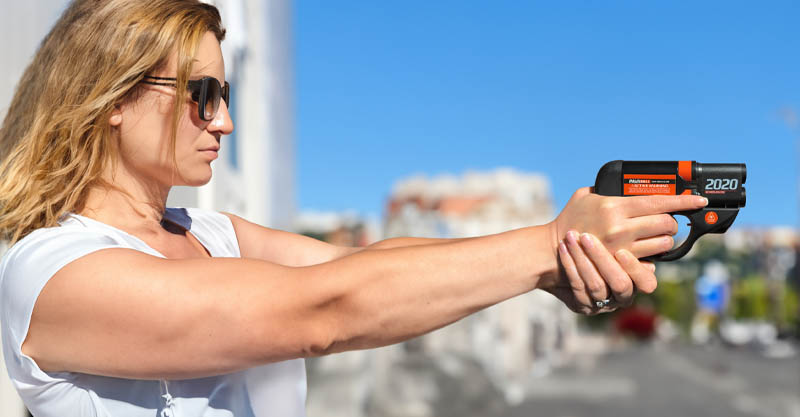
Navigating the complex landscape of concealed carry and non-lethal weapon laws in Tennessee can be a daunting task for both new and experienced residents alike. With regulations that vary widely depending on the type of weapon, location, and individual circumstances, understanding your rights and responsibilities is crucial to staying compliant and ensuring personal safety. In this blog, we’ll break down the essential legal considerations and provide clear guidance to help you confidently navigate Tennessee’s concealed carry and non-lethal weapon laws. Whether you’re considering obtaining a permit or simply want to know what’s allowed, this overview aims to equip you with the knowledge you need to make informed decisions.
- Understanding Tennessee Concealed Carry Permit Requirements
- Key Restrictions and Legal Protections for Non-Lethal Weapons in Tennessee
- Best Practices for Safe and Compliant Concealed Carry in Tennessee
- Practical Tips for Staying Updated on Tennessee Weapon Laws
- The Way Forward
- Related Products
- Check Our Other Blogs
Understanding Tennessee Concealed Carry Permit Requirements
Before applying for a permit to carry a concealed weapon in Tennessee, it’s crucial to familiarize yourself with the state’s specific legal requirements. Applicants must be at least 21 years old, although exceptions exist for military personnel and veterans. Additionally, the law mandates that individuals must be legal residents of Tennessee and free from felony convictions or certain misdemeanors. Background checks are stringent, including fingerprint submission, which helps ensure that the permit holders meet the criteria of responsible gun ownership. The state does not require any minimum hours of training, but it highly recommends firearms safety courses to promote responsible carry practices.
Understanding where and how you can legally carry is equally important. Tennessee law allows for concealed carry in most public areas, but there are clear restrictions such as government buildings, schools, and private properties that post specific prohibitions. Permit holders should also be aware that carrying concealed weapons into establishments that serve alcohol, while permitted, comes with strict rules against consuming alcohol while armed. To navigate these complexities confidently, it’s advisable to consult updated resources regularly or seek legal advice-knowing your rights and boundaries can prevent costly mistakes.
- Minimum Age: 21 years (exceptions apply)
- Residency: Must be a Tennessee resident
- Background Checks: Fingerprints and criminal history reviewed
- Training: No mandatory minimum, but recommended
- Restricted Locations: Schools, government buildings, private property with signage
- Alcohol: No carrying weapon while consuming alcohol
Key Restrictions and Legal Protections for Non-Lethal Weapons in Tennessee
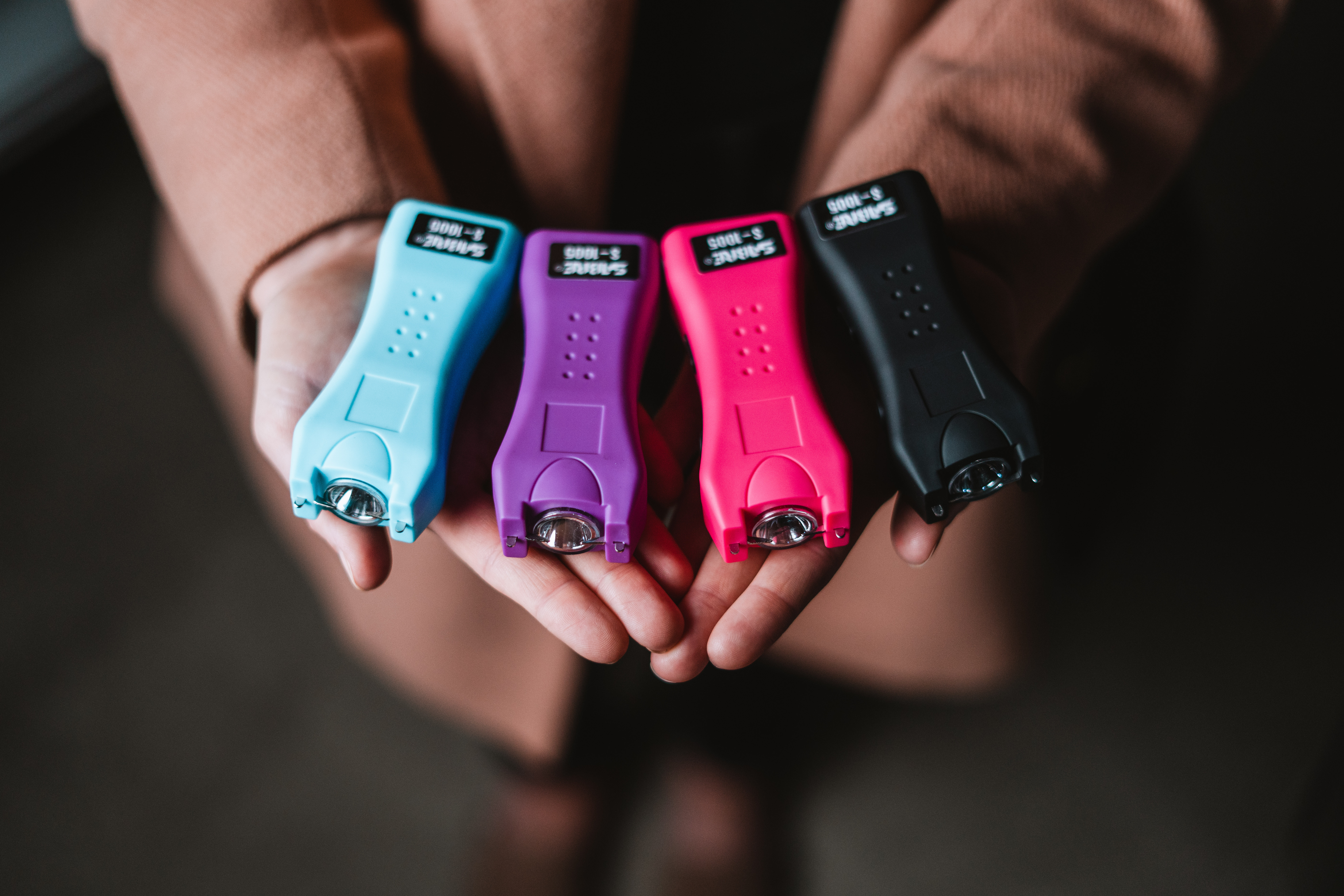
Understanding the framework that governs non-lethal weapons in Tennessee is crucial for responsible ownership and use. The state tightly regulates items like stun guns, pepper spray, and batons. While these tools offer an alternative to firearms for self-defense, they’re not without legal boundaries. For example, individuals must be aware that deploying non-lethal weapons outside of legitimate self-defense scenarios can lead to criminal charges. Additionally, Tennessee law restricts the possession of certain devices in sensitive locations such as schools, government buildings, and private properties where their use is prohibited by the owner.
Key legal safeguards and limitations to keep in mind include:
- Age restrictions: Typically, one must be at least 18 years old to legally purchase or carry most non-lethal weapons.
- Prohibited possession: Convicted felons and individuals under certain restraining orders may be barred from carrying these devices.
- Use of force: The deployment of non-lethal weapons must align with Tennessee’s self-defense laws, ensuring use is proportional to the threat encountered.
- Concealed carry laws: Unlike firearms, Tennessee does not require permits for carrying some non-lethal weapons openly or concealed, provided other statutes are followed.
Best Practices for Safe and Compliant Concealed Carry in Tennessee
To maintain both safety and legal compliance while carrying concealed in Tennessee, it is crucial to stay updated with state regulations and local ordinances. Always ensure your carry permit is valid and on your person, as law enforcement may request to see it at any time. Prioritize responsible firearm handling: keep your weapon securely holstered, avoid unnecessary exposure, and never carry under the influence of alcohol or drugs. Remember, practicing situational awareness is just as important as knowing your rights-recognize restricted areas like schools, government buildings, and private properties where concealed carry may be prohibited.
Adhering to these guidelines helps prevent legal pitfalls:
- Regularly participate in training sessions to hone your skills and refresh legal knowledge.
- Understand the nuances of Tennessee’s use-of-force laws, including when non-lethal options are appropriate.
- Keep non-lethal weapons like tasers or pepper spray accessible as alternatives for self-defense.
- Respect private property rules and signage regarding firearm policies.
- Report any lost or stolen firearms to authorities promptly to avoid liability.
Practical Tips for Staying Updated on Tennessee Weapon Laws
Staying current with Tennessee’s weapon regulations requires more than just a casual glance at legal updates. Make it a habit to check official sources regularly, such as the Tennessee Bureau of Investigation (TBI) website and state legislature portals, where amendments and new rulings are first published. Subscribing to reputable legal newsletters or alerts can also streamline staying informed, delivering concise summaries straight to your inbox. Additionally, leveraging social media channels of recognized firearm advocacy groups or local law enforcement agencies offers real-time notifications and practical interpretation of complex legal language.
If you’re a concealed carry permit holder or planning to apply, join local firearm training courses and community defense workshops. These environments not only reinforce responsible weapon handling but often include the latest legal briefings tailored to Tennessee’s nuanced laws. Networking with fellow permit holders can foster knowledge sharing that keeps you aware of recent court decisions or municipal restrictions. Lastly, consider consulting with an attorney who specializes in weapons law to get personalized advice, especially if you encounter gray areas in the statutes or are planning travel that involves crossing state lines.
The Way Forward
Navigating concealed carry and non-lethal weapon laws in Tennessee requires more than just awareness-it demands careful attention to detail and ongoing vigilance. As laws continue to evolve, staying informed and understanding your rights and responsibilities is essential for lawful and safe self-protection. Whether you’re a seasoned permit holder or considering carrying for the first time, taking the time to educate yourself can make all the difference in staying compliant and confident. Remember, responsible carrying not only protects you but also upholds the safety and trust of the community around you. Stay informed, stay prepared, and prioritize safety above all.Related Products


Check Our Other Blogs
- StunGun – Your Trusted Source for Stun Guns, Laws, and Self-Defense Tips
- PepperSprayLaws – Your Trusted Resource for Pepper Spray Information
- StunGunLaws – Your Trusted Guide to Stun Gun Legality and Safety
- Featured.biz – Your Hub for the Latest in Tech & Electronics
- SafetyTips – Your Guide to Smarter, Safer Living

:max_bytes(150000):strip_icc()/tal-shes-birdie-the-original-personal-safety-alarm-asia-london-palomba-2-a6460ae8a2e64c12b65a113589aab4e2.jpeg "Top Travel Security Gadgets for Hotels and Vacation Rentals")