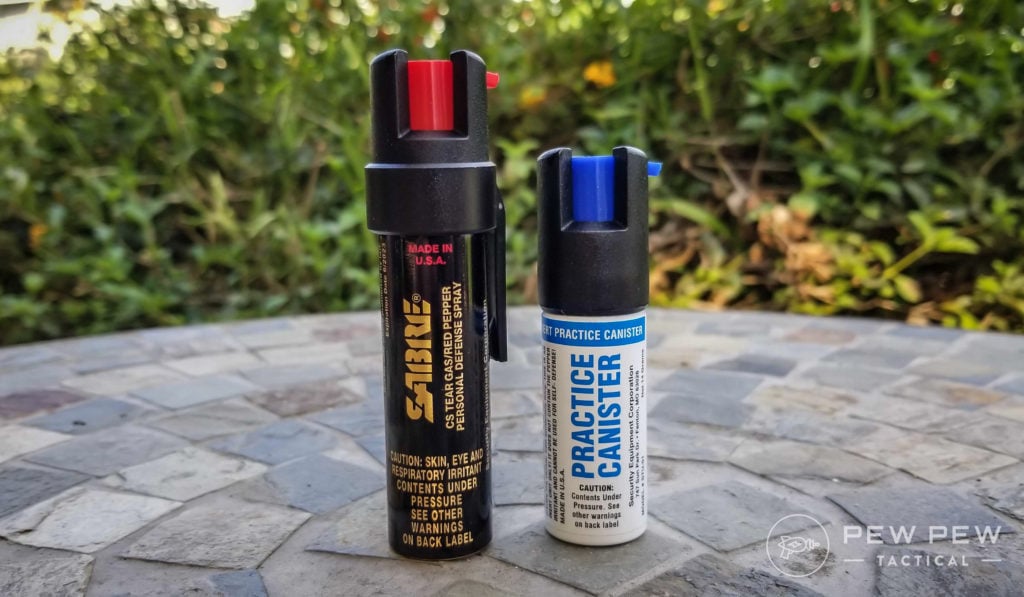


Confrontations are an inevitable part of life, whether in our personal relationships, workplaces, or everyday interactions. Yet, how we respond in these moments can determine whether a disagreement spirals into conflict or becomes an opportunity for understanding and resolution. Managing confrontations calmly without escalating tensions is not just a skill-it’s an essential practice for maintaining respect, fostering communication, and preserving peace. In this article, we’ll explore practical strategies to navigate confrontations with composure and confidence, helping you turn potentially volatile encounters into constructive conversations.
- Understanding the Root Causes of Conflict to Respond Effectively
- Techniques for Maintaining Composure and Active Listening During Disagreements
- Utilizing Nonverbal Communication to De-escalate Tension
- Strategies for Finding Common Ground and Constructive Resolution
- To Wrap It Up
- Related Products
- Check Our Other Blogs
Understanding the Root Causes of Conflict to Respond Effectively
Staying calm when tensions rise is a skill that can transform confrontations into opportunities for understanding. Begin by focusing on your breath-deep, measured inhales can ground your emotions and clear your mind, giving you the space to respond thoughtfully rather than react impulsively. In the heat of disagreement, remind yourself to maintain a neutral posture and steady eye contact. These subtle nonverbal cues communicate respect and openness, signaling that you are engaged without being combative. Resist the urge to interrupt or formulate counterarguments while the other person is still speaking, as premature responses often escalate conflict rather than resolve it.
Active listening goes beyond simply hearing words-it involves fully engaging with the speaker’s message to validate their perspective. Employ techniques such as nodding, paraphrasing, and asking clarifying questions to demonstrate your genuine interest in understanding their viewpoint. Create mental space by mentally summarizing what has been said before formulating your response, ensuring you address the core concerns rather than tangential points. Consider these strategies:
- Reflect feelings: Acknowledge emotions behind statements to convey empathy.
- Open-ended questions: Encourage elaboration to deepen dialogue without judgment.
- Pause before responding: Use silence strategically to collect your thoughts.
Utilizing Nonverbal Communication to De-escalate Tension
In high-stress moments, what you say may be overshadowed by how you physically present yourself. Adopting a calm and open posture conveys receptiveness and non-aggression, signaling to the other person that you are not a threat. Simple actions such as maintaining soft eye contact without staring, keeping your hands visible and relaxed, and slightly nodding to acknowledge their feelings can instantly lower defensiveness. Remember, rigid or closed-body language-like crossed arms or clenched fists-can unintentionally escalate tension by communicating resistance or hostility.
Another powerful tool is the controlled use of space and movement. Standing too close can trigger a fight-or-flight response, so be mindful to maintain a respectful distance, allowing the other party room to feel secure. Slow, deliberate movements demonstrate composure and can help regulate the emotional temperature of the encounter. Incorporating these subtle nonverbal strategies works in tandem with your verbal communication, creating an environment where negotiation and understanding can flourish instead of confrontation.
- Soft eye contact: Avoid staring to appear empathetic rather than confrontational.
- Open posture: Keep arms uncrossed to show openness and willingness to listen.
- Visible hands: Hands unclenched and in view reduces perceived threat.
- Respectful distance: Maintain personal space to prevent discomfort.
- Deliberate movements: Slow gestures reflect calmness and control.
Strategies for Finding Common Ground and Constructive Resolution
When tensions rise, focusing on shared interests rather than individual demands is crucial. Begin by actively listening to understand the other person’s perspective, which fosters empathy and lowers defensiveness. Use phrases like “I see where you’re coming from” or “That’s an important point” to validate their feelings without necessarily agreeing. This approach opens a pathway to explore mutual goals, potentially revealing areas of overlap where compromises can be made without sacrificing core values.
Implementing collaborative language can transform confrontation into a joint problem-solving session. Encourage an atmosphere where both parties contribute ideas by asking open-ended questions such as “How can we work through this together?” or “What solutions would you suggest?”. Keep body language calm and maintain steady eye contact to reinforce sincerity. Remember, focusing on solutions rather than past grievances prevents cyclical blame and leads to productive, forward-moving resolutions.
To Wrap It Up
In the heat of confrontation, it’s natural to feel defensive or overwhelmed. Yet, managing these moments with calm and clarity is a skill that can transform tense interactions into opportunities for understanding and growth. By staying grounded, listening actively, and choosing your responses thoughtfully, you not only prevent escalation but also pave the way for more respectful and productive communication. Remember, mastering calm confrontation isn’t about avoiding conflict altogether-it’s about engaging with it in a way that preserves dignity and fosters resolution. Keep practicing these strategies, and over time, you’ll find that even the most challenging exchanges become manageable, if not meaningful.Related Products


Check Our Other Blogs
- StunGun – Your Trusted Source for Stun Guns, Laws, and Self-Defense Tips
- PepperSprayLaws – Your Trusted Resource for Pepper Spray Information
- StunGunLaws – Your Trusted Guide to Stun Gun Legality and Safety
- Featured.biz – Your Hub for the Latest in Tech & Electronics
- SafetyTips – Your Guide to Smarter, Safer Living