

When it comes to safeguarding your home, choosing the right security camera is a decision that deserves careful thought and attention. With countless options flooding the market, each boasting various features, it’s easy to feel overwhelmed and unsure where to start. This guide cuts through the noise to provide a clear, straightforward approach to selecting the best home security camera tailored to your unique needs. Whether you’re a first-time buyer or upgrading your current setup, understanding the critical factors behind this choice is essential to ensure your peace of mind and the safety of your loved ones. Let’s dive into the serious considerations that can make all the difference in protecting what matters most.
Understanding Different Types of Home Security Cameras
Choosing the right surveillance device starts with understanding the distinct features and functionalities each type offers. Indoor cameras are designed for monitoring the internal areas of your home, often equipped with two-way audio and motion detection to alert you to any unexpected activity. On the other hand, outdoor cameras are built to withstand harsh weather conditions and typically feature wider viewing angles, night vision, and sometimes even integrated floodlights for enhanced security during nighttime. Additionally, wired cameras offer constant connectivity and reliability, which is ideal for critical security points where uninterrupted monitoring is essential. Meanwhile, wireless cameras bring flexibility and ease of installation, though they require robust Wi-Fi coverage and regular battery maintenance.
Beyond the basic indoor and outdoor classifications, several specialized types cater to specific needs. PTZ (Pan-Tilt-Zoom) cameras allow dynamic movement, giving real-time control over the viewing direction and zoom level, perfect for large properties. Doorbell cameras combine video monitoring with visitor interaction, providing a first line of defense directly at your entrance. For those seeking discreet surveillance, hidden or disguised cameras blend into decor or everyday objects without drawing attention. Each type serves a unique purpose, so understanding these distinctions is paramount to aligning your security strategy with your property layout and personal preferences.
Key Features to Evaluate When Selecting a Security Camera
When assessing security cameras, it’s crucial to focus on features that directly impact performance and usability. Resolution is a key factor-higher resolution means clearer images, enabling you to identify faces and details more effectively. Look for cameras offering at least 1080p HD video quality. Additionally, consider night vision capabilities; infrared or color night vision ensures round-the-clock monitoring regardless of lighting conditions. Another pivotal feature is field of view; wider angles cover more area, reducing blind spots around your property.
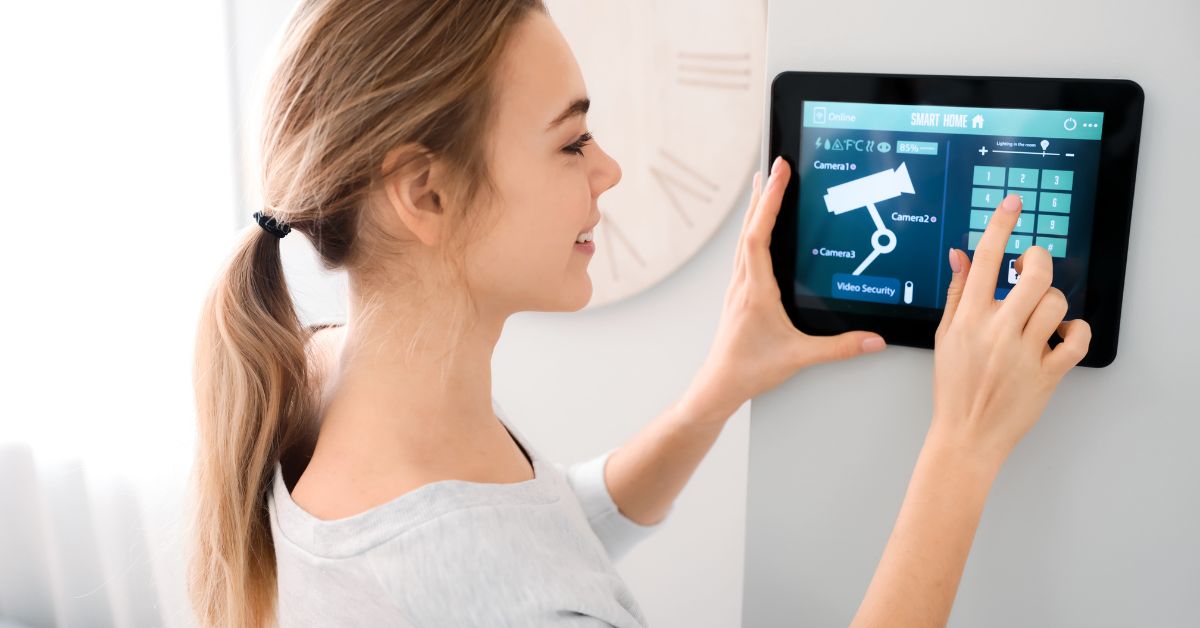
Connectivity and storage options should also influence your choice. Decide between wired or wireless cameras based on your home’s layout and your preference for installation ease versus stable connections. Check if the device supports cloud storage, local storage via SD cards, or both, as each offers different levels of accessibility and security. Finally, motion detection sensitivity and smart alerts can enhance your response time, but ensure the camera supports customizable settings to minimize false alarms-prioritize a system that integrates seamlessly with your smart home environment for optimal control and peace of mind.
Installation Considerations for Optimal Coverage and Performance
Strategic placement is crucial to harness the full potential of your security camera system. Aim to cover key entry points such as front doors, back doors, and accessible windows where intruders might attempt entry. Don’t overlook areas like garages, driveways, and blind spots that aren’t visible from the street or inside the home. Mount cameras at a height that prevents tampering but still allows clear facial recognition-typically, 7 to 9 feet is ideal. To enhance visibility in low-light conditions, prioritize locations with adequate lighting or consider cameras with built-in infrared or night vision capabilities.
Additionally, consider environmental factors that could affect camera performance. Shield cameras from harsh weather by utilizing protective housings or installing under eaves and awnings. Avoid direct exposure to bright sunlight or reflective surfaces, which can cause glare and hinder image clarity. For wireless cameras, ensure strong signal strength by positioning them within range of your Wi-Fi router or using Wi-Fi extenders if necessary. Proper cable management and secure mounting also prevent accidental disconnections or damage, ensuring your system remains reliable and effective over time.
- Secure mounting height: 7 to 9 feet to prevent tampering and optimize viewing angles
- Coverage focus: Entrances, driveways, garages, and blind spots
- Lighting considerations: Adequate ambient light or night vision capabilities
- Environmental protection: Use housings and avoid direct sunlight glare
- Connectivity: Ensure strong Wi-Fi signals for wireless cameras
Balancing Cost and Quality to Choose the Best Camera for Your Needs
When selecting a security camera, striking the right balance between cost and quality is essential to avoid overpaying for unnecessary features or skimping on critical performance capabilities. Prioritize core functions such as image resolution, night vision, and reliable motion detection. Cameras offering 1080p resolution or higher typically provide clear, detailed footage without breaking the bank. However, top-tier models with 4K resolution and advanced AI-driven alerts come at a premium, so consider whether these enhancements truly align with your security needs. Remember, the most expensive option isn’t always the best fit for every home or budget.
Keep these key factors in mind to refine your choice:
- Durability and Weather Resistance: Essential if the camera will be used outdoors, ensuring long-term performance despite varying weather conditions.
- Connectivity Options: Wired vs. wireless setups impact installation ease and reliability-choose what suits your environment best.
- Storage Solutions: Cloud subscriptions offer convenience but add ongoing costs; local storage may save money but could be less flexible.
By carefully weighing these elements, you can confidently invest in a security camera that delivers dependable protection without unnecessary expenditure, providing peace of mind tailored to your personal priorities.
To Conclude
Choosing the right home security camera is a critical decision that directly impacts the safety and peace of mind of you and your loved ones. By carefully considering factors such as camera type, resolution, field of view, storage options, and integration with your existing security system, you can ensure that your investment provides reliable protection tailored to your specific needs. Remember, a security camera is not just a gadget-it’s a vital component of your home’s defense. Take the time to research, compare, and select a camera that truly fits your environment and lifestyle. After all, when it comes to your home’s security, there’s no room for compromise. Stay vigilant and stay safe.
Related Products


Check Our Other Blogs
- StunGun – Your Trusted Source for Stun Guns, Laws, and Self-Defense Tips
- PepperSprayLaws – Your Trusted Resource for Pepper Spray Information
- StunGunLaws – Your Trusted Guide to Stun Gun Legality and Safety
- Featured.biz – Your Hub for the Latest in Tech & Electronics
- SafetyTips – Your Guide to Smarter, Safer Living