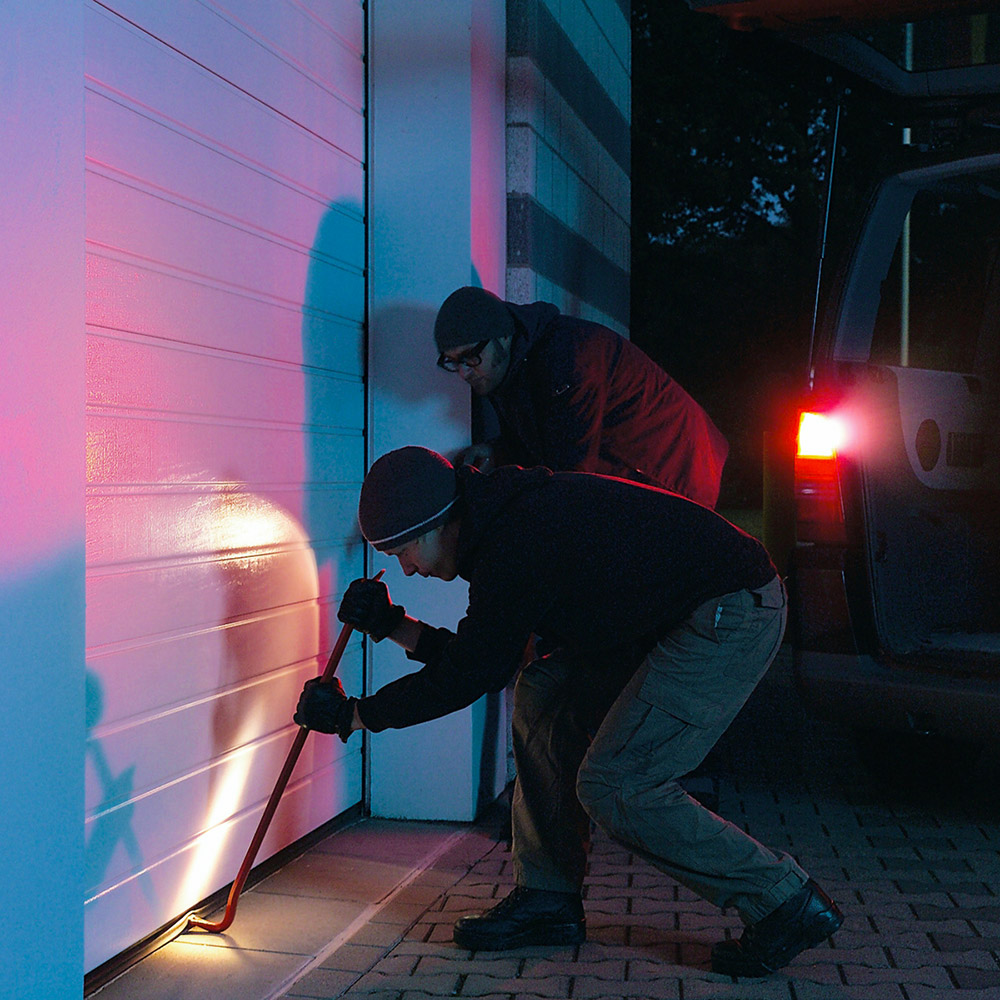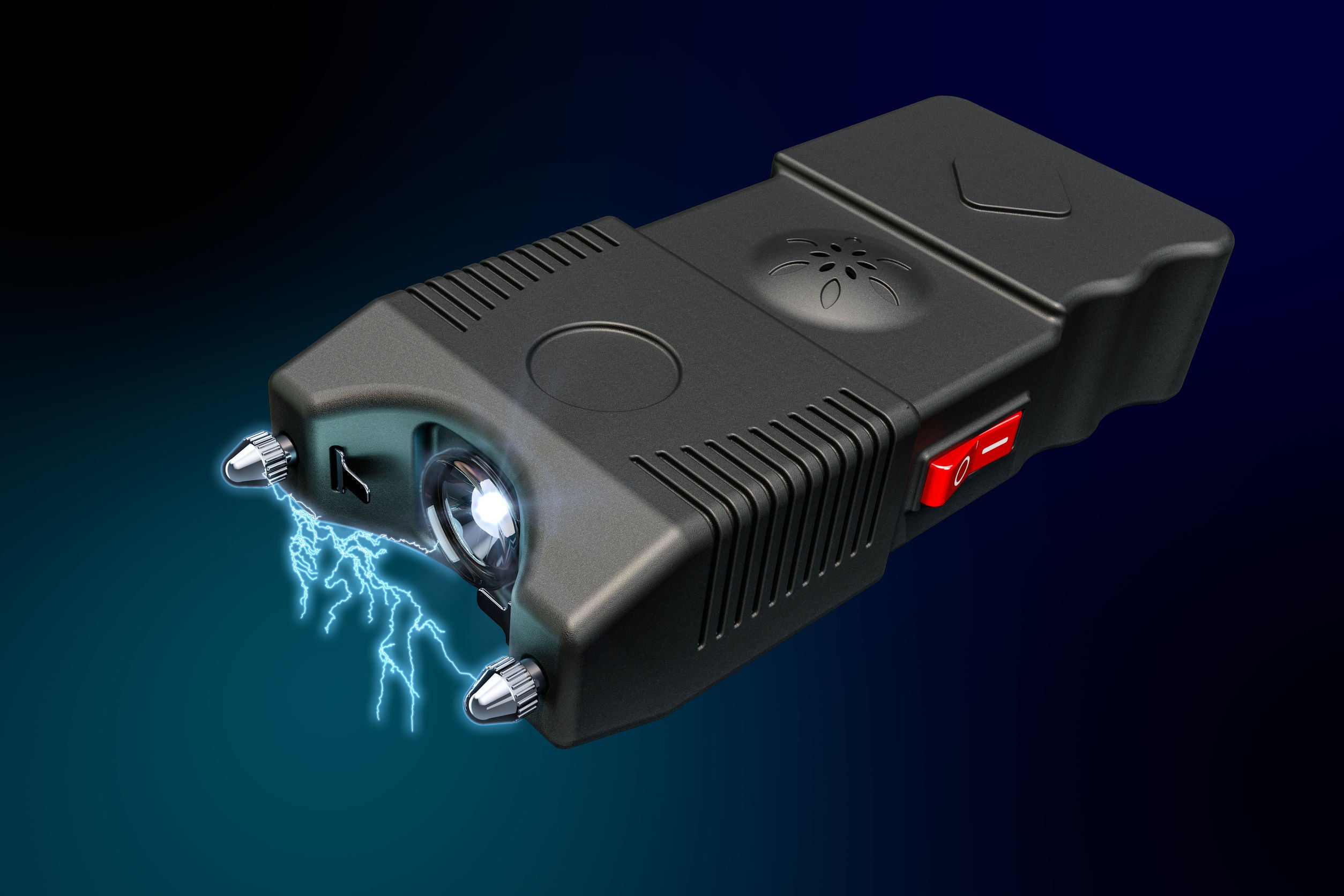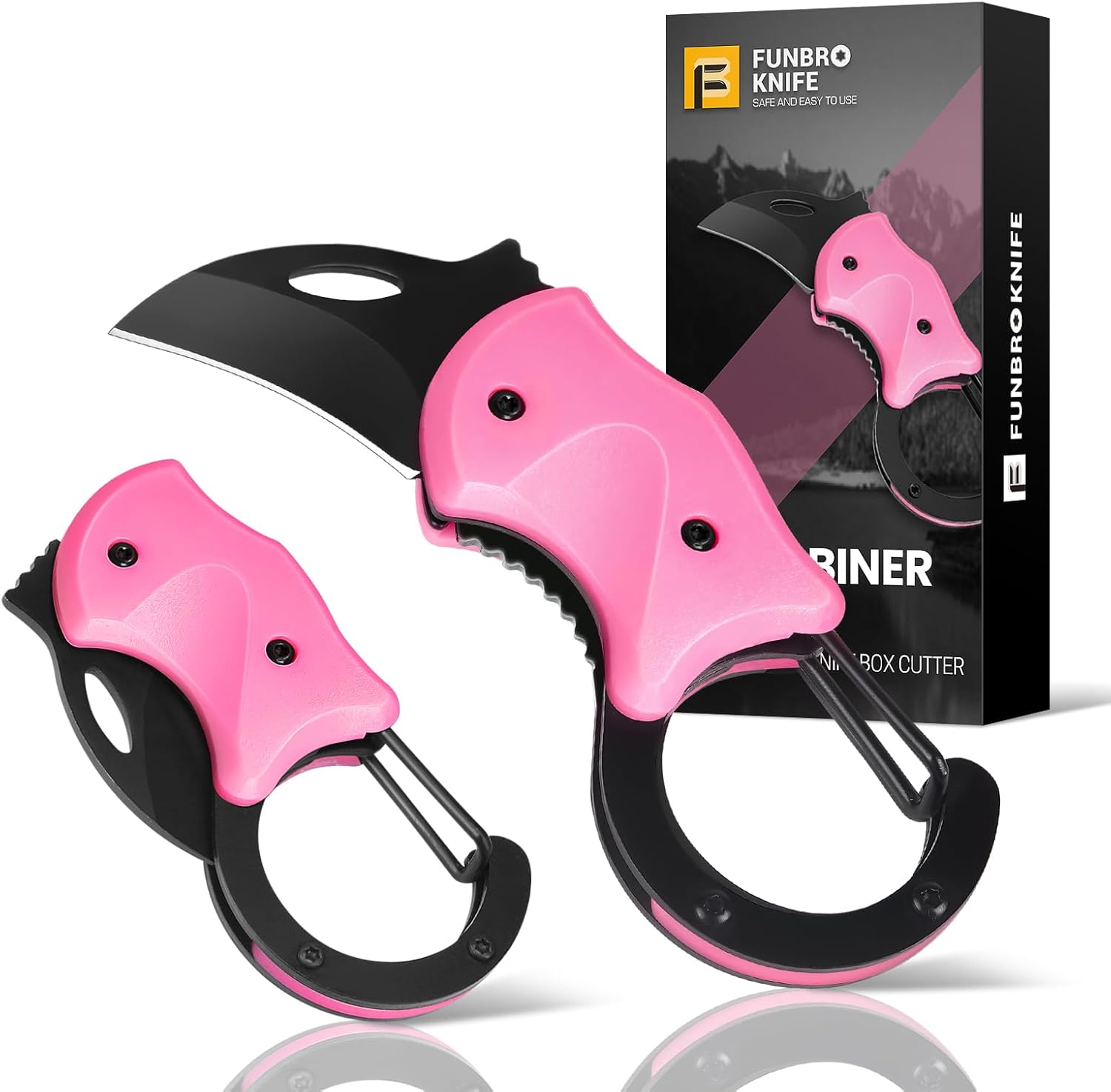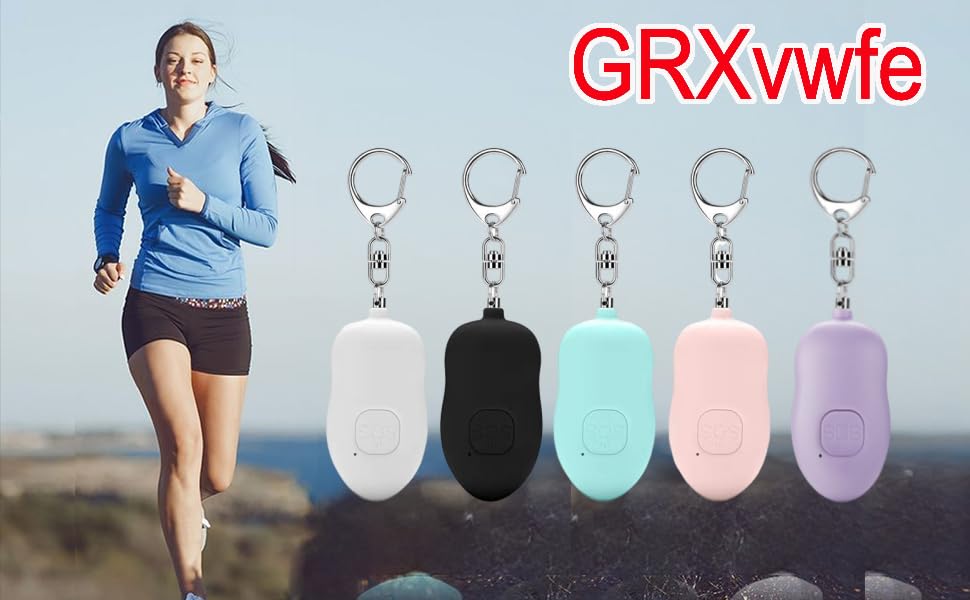

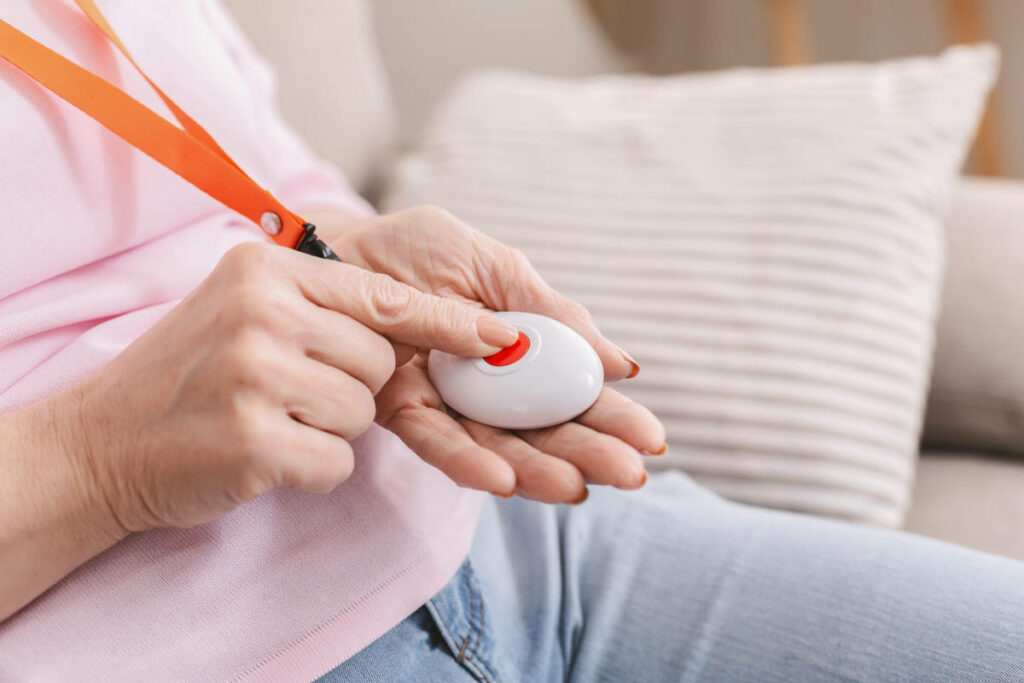
In an unpredictable world where personal safety is a growing concern, finding effective ways to deter potential attackers is more important than ever. Personal alarms have emerged as a powerful tool in enhancing individual security, providing a simple yet impactful means to draw attention and ward off threats. This article explores how personal alarms work, why they are effective in deterring attackers, and how incorporating them into daily life can significantly boost your sense of safety. Whether you’re walking alone at night or navigating unfamiliar surroundings, understanding the role of personal alarms could be a crucial step toward protecting yourself in moments of crisis.
- Understanding the Psychological Impact of Personal Alarms on Attackers
- Key Features that Enhance the Effectiveness of Personal Alarms
- Strategies for Choosing the Right Personal Alarm for Your Safety Needs
- Practical Tips for Maximizing the Deterrent Power of Personal Alarms
- In Conclusion
- Related Products
- Check Our Other Blogs
Understanding the Psychological Impact of Personal Alarms on Attackers
When a personal alarm is activated, it triggers an immediate and uncontrollable psychological response in the potential attacker. The loud, piercing noise shatters the element of surprise, which is a critical advantage for anyone attempting a crime. This sudden disruption creates a sense of panic and confusion, forcing the attacker to reconsider their actions under the pressure of imminent exposure. The unpredictability of public attention, combined with the overwhelming sensory assault of the alarm, can cause hesitation or even an abrupt retreat, effectively neutralizing the threat before it escalates.
Beyond the initial shock, personal alarms instill a deeper psychological barrier by reinforcing the attacker’s fear of detection and consequences. The constant fear of a personal alarm going off acts as a deterrent even before an incident occurs. This heightened anxiety fosters a mental association between attempting an attack and the high risk of failure and social shame. Key psychological factors influenced by personal alarms include:
- Loss of control: Attackers feel less in control over the environment when unpredictable alarms are a constant possibility.
- Social exposure: The alarm’s noise attracts bystanders, increasing the attacker’s fear of being caught.
- Stress and fear: Sudden loud noises trigger stress responses that impair decision-making.
These elements combine to amplify the deterrent effect, making personal alarms a critical tool in personal safety strategies.
Key Features that Enhance the Effectiveness of Personal Alarms
At the core of every efficient personal alarm lies loudness and clarity. Emitting a piercing, unmistakable sound-often exceeding 120 decibels-these devices are engineered to instantly capture attention. This high-decibel alert not only startles potential attackers but also summons help from nearby individuals. Moreover, many modern alarms feature customizable tones, enabling users to select sounds that suit their environment while ensuring maximum audibility. Complementing this is the alarm’s swift activation mechanism, usually designed as a simple pull-pin or one-press button, which eliminates any delay in emergency response.
Beyond sound, usability and portability significantly amplify the practical value of personal alarms. Lightweight designs with compact forms, such as keychain attachments or wearable clips, ensure the device is always within reach. Many models incorporate water-resistant materials and durable construction, making them reliable companions regardless of weather conditions or intense activity. Additionally, enhancements like built-in LED strobe lights or GPS integration provide multiple layers of deterrence and safety, making personal alarms not merely noise makers but powerful multifaceted tools in personal defense.
Strategies for Choosing the Right Personal Alarm for Your Safety Needs
Selecting a personal alarm requires a thoughtful approach, prioritizing features that align with your unique safety concerns. Look for alarms that offer high decibel output to ensure the sound is loud enough to startle attackers and attract immediate attention. Additionally, consider the alarm’s activation mechanism; whether it’s a pull-pin, push-button, or even a remote control, the trigger should be easy and intuitive to use, particularly in high-stress situations. Compactness and portability also play crucial roles – the device should fit seamlessly into your daily routine, whether clipped onto your keychain or slipped into your pocket, making it accessible at all times.
- Battery Life: Opt for alarms with long-lasting batteries or easy recharge options to avoid lapses in readiness.
- Durability: Choose models with sturdy build quality and weather resistance for lasting reliability.
- Add-on Features: Some alarms include integrated flashlights or GPS tracking, providing extra layers of security.
- Audio Variety: Alarms with multiple sound options can better suit different environments by varying tone and intensity.
Equipping yourself with the right personal alarm not only enhances your sense of security but also actively deters potential threats by making you a difficult target. The psychological impact of a piercing alert often causes hesitation or retreat in attackers, giving you precious moments to escape or seek help. Therefore, investing the time to evaluate your personal circumstances – such as your usual environments, mobility, and risk factors – will help you choose a device that truly meets your safety needs and empowers you with confidence in your day-to-day life.
Practical Tips for Maximizing the Deterrent Power of Personal Alarms
To truly enhance the effectiveness of your personal alarm, it’s essential to place it within immediate reach at all times. Whether clipped to your keys, bag, or wrist, quick access ensures you can activate it instantly in an emergency, significantly increasing its deterrent impact. Moreover, regular testing and battery checks are crucial. A non-functional alarm not only fails to warn others but also emboldens potential attackers who quickly learn to ignore devices that don’t emit sound. Consider carrying an alarm with a volume of at least 120 decibels-loud enough to attract attention from a considerable distance and cause disorientation to assailants.
Practical habits that reinforce the alarm’s presence include:
- Visible placement on outer clothing or bags, signaling to others that you are prepared.
- Accompanying the alarm with assertive body language and alert behavior to enhance perceived confidence.
- Being familiar with your surroundings and planning routes that keep you in more populated or well-lit areas.
- Pairing the alarm with other safety tools like a phone app or emergency contacts to ensure help arrives promptly.
These strategies not only strengthen the alarm’s immediate effect but also cultivate a proactive safety mindset, turning your personal alarm into a powerful visual and auditory deterrent that discourages potential threats before they escalate.
In Conclusion
In a world where personal safety can never be taken for granted, personal alarms serve as a powerful deterrent against potential attackers. Their loud, attention-grabbing sound not only startles assailants but also draws the eyes and ears of bystanders, increasing the chance of intervention. Beyond their practical use, personal alarms empower individuals by giving them a simple yet effective tool to protect themselves. While no safety measure is foolproof, equipping yourself with a personal alarm is a proactive step toward enhancing your personal security. Staying informed and prepared can make all the difference-because when it comes to safety, vigilance and prevention are your strongest allies.
Related Products


Check Our Other Blogs
- StunGun – Your Trusted Source for Stun Guns, Laws, and Self-Defense Tips
- PepperSprayLaws – Your Trusted Resource for Pepper Spray Information
- StunGunLaws – Your Trusted Guide to Stun Gun Legality and Safety
- Featured.biz – Your Hub for the Latest in Tech & Electronics
- SafetyTips – Your Guide to Smarter, Safer Living