
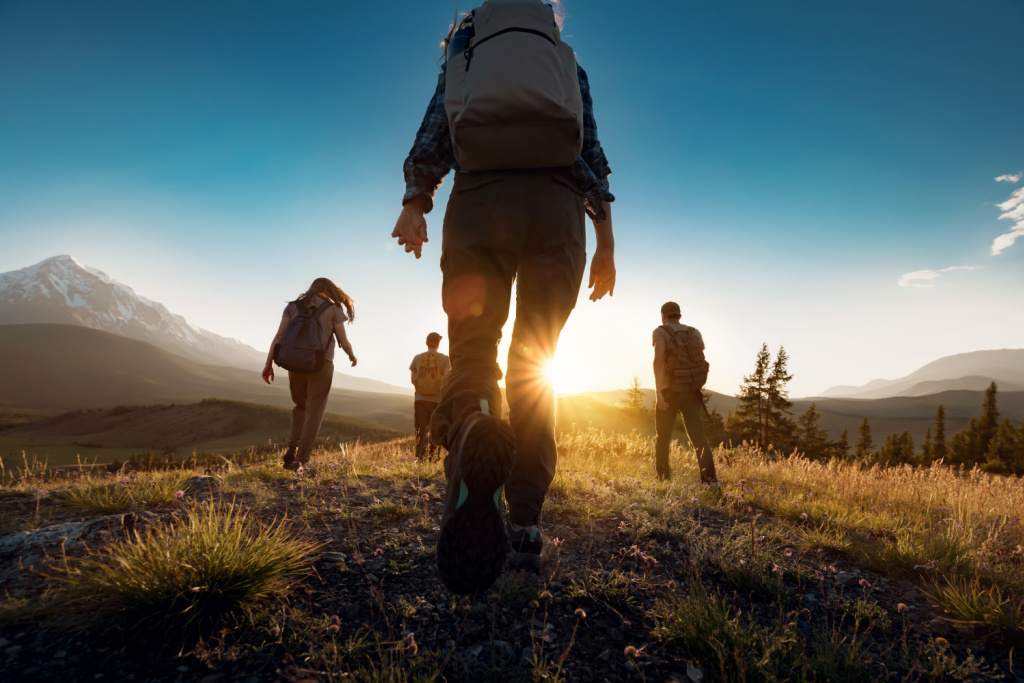
Embarking on a hiking or outdoor adventure can be one of the most rewarding experiences-offering breathtaking views, a deep connection with nature, and a chance to challenge yourself physically and mentally. However, the great outdoors also come with inherent risks that shouldn’t be underestimated. Whether you’re a seasoned trekker or planning your very first excursion, prioritizing safety is crucial to ensure your journey is not only memorable but also free from avoidable emergencies. In this article, we’ll explore essential safe hiking and outdoor adventure travel tips that every adventurer should know before setting off. From preparation and gear to navigation and emergency readiness, these guidelines will help you enjoy the wild while staying protected.
Preparing Your Gear for Safety and Comfort
Ensuring your equipment is in top shape before hitting the trails can make the difference between a safe adventure and an unexpected emergency. Start by meticulously checking your hiking boots for any signs of wear, such as sole detachment or weakened stitching, since proper footwear offers both protection and support across varied terrains. Next, inspect your backpack to confirm all straps and zippers function smoothly; a compromised pack can lead to discomfort and distraction on the trail. Don’t forget to pack lightweight yet durable clothing suited to sudden weather changes, emphasizing moisture-wicking properties to maintain comfort throughout your journey.
Prioritize assembling a well-thought-out gear list that covers essentials like navigation tools, a first aid kit, and hydration systems. Consider the following items indispensable for a secure and comfortable trek:
- Map and Compass: Rely on these over electronic devices, which can fail or lose signal.
- Layered Clothing: Prepare for temperature fluctuations with breathable layers.
- Water Filtration: Always have a means to purify natural water sources.
- Emergency Shelter: Lightweight tarps or bivy sacks can protect during unexpected overnight stays.
- Headlamp or Flashlight: Verify batteries are fresh; illumination is vital once darkness falls.
Navigating Trails with Confidence and Awareness
Managing Weather Risks and Environmental Hazards
When venturing outdoors, unpredictable weather can quickly turn a pleasant hike into a dangerous ordeal. It’s crucial to always check the weather forecast before setting out, but never rely solely on technology-nature can be surprising. Carrying essential gear such as waterproof clothing, layered apparel, and emergency blankets helps maintain body temperature and dryness. Paying close attention to sudden weather changes, such as darkening skies or shifting winds, allows for prompt decision-making to seek shelter or adjust plans. Remember, staying informed and adaptable is your best defense against harsh elements.
Environmental hazards extend beyond the weather and include risks such as unstable terrain, rapid flooding, and wildlife encounters. Prioritize these safety measures to mitigate risks:
- Study the terrain: Familiarize yourself with the trail map and potential hazards like steep slopes or loose rocks.
- Flood awareness: Avoid crossing swollen streams or riverbeds, especially after heavy rainfall.
- Wildlife caution: Keep a respectful distance from animals and secure food properly to avoid attracting them.
Emergency Preparedness and First Aid Essentials
When venturing into the great outdoors, having a well-stocked first aid kit is non-negotiable. This should include essentials such as sterile gauze, adhesive bandages, antiseptic wipes, tweezers, and pain relievers. Alongside medical supplies, carry any personal medications and a compact emergency blanket to combat sudden weather changes. Familiarize yourself with basic first aid skills like wound cleaning, splinting, and CPR. Preparing for the unexpected not only safeguards your health but also empowers you to assist others who might be injured during your adventure.
Equally crucial is establishing a reliable communication plan. Make sure someone you trust knows your itinerary and expected return time. Carry a fully charged phone with a portable charger, and when possible, a satellite communication device for areas with limited signal. In addition, familiarize yourself with the nearest emergency services and-if available-download offline maps and emergency contact numbers. This preparedness network acts as your lifeline, ensuring swift response if injuries or emergencies arise during your hike or outdoor exploration.
- Basic first aid kit components tailored to your trip
- Knowledge of essential first aid techniques
- Clear emergency communication plan shared with a trusted contact
- Reliable communication devices, including backup power
- Offline maps and emergency resources accessible at all times
Concluding Remarks
As you lace up your boots and set out on your next hiking or outdoor adventure, remember that preparation and awareness are your most powerful tools. By following these essential safety tips, you’re not only protecting yourself but also ensuring that every journey is as rewarding as it is memorable. Nature’s beauty is best enjoyed when approached with respect and caution. Stay informed, stay equipped, and above all, stay safe-because every adventure deserves a safe return. Happy trails!Related Products


Check Our Other Blogs
- StunGun – Your Trusted Source for Stun Guns, Laws, and Self-Defense Tips
- PepperSprayLaws – Your Trusted Resource for Pepper Spray Information
- StunGunLaws – Your Trusted Guide to Stun Gun Legality and Safety
- Featured.biz – Your Hub for the Latest in Tech & Electronics
- SafetyTips – Your Guide to Smarter, Safer Living