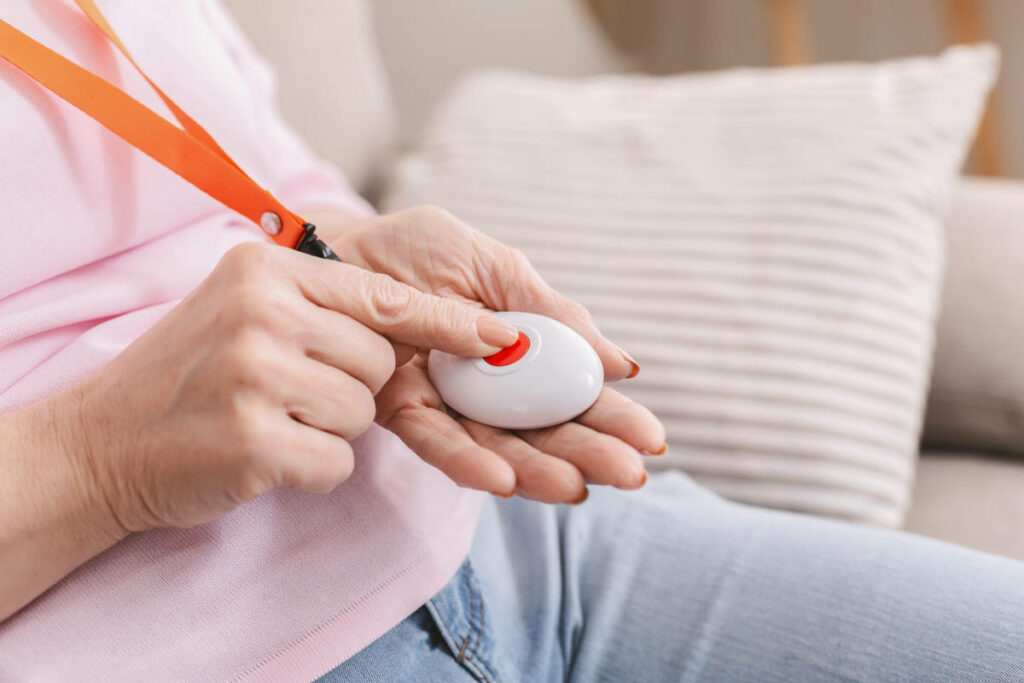


When it comes to personal safety, having a reliable alarm that can effectively grab attention in an emergency is essential. With countless personal alarm models flooding the market, one critical factor stands out: loudness. But how loud is loud enough? And which models truly deliver the decibel levels needed to cut through noisy environments? In this article, we dive deep into comparing the loudness levels of top personal alarm models to help you make an informed choice for your safety and peace of mind. Whether you’re a student, traveler, or simply someone wanting extra security, understanding the power of these alarms could make all the difference in a critical moment.
- Comparative Analysis of Decibel Output Across Leading Personal Alarms
- Evaluating Sound Frequency and Its Impact on Alarm Effectiveness
- Material and Design Factors Influencing Loudness Performance
- Expert Recommendations for Choosing the Loudest Personal Alarm Reviews
- The Way Forward
- Related Products
- Check Our Other Blogs
Comparative Analysis of Decibel Output Across Leading Personal Alarms
When evaluating the loudness of personal alarms, decibel output emerges as a crucial factor that directly influences effectiveness in emergency situations. Leading models typically range between 110 dB to 140 dB, a spectrum designed to penetrate ambient noise and grab immediate attention. For instance, some top-tier personal alarms boast a peak output of up to 140 dB-comparable to a rock concert or a jet engine from 100 feet away-ensuring maximum deterrence. Conversely, lower-output alarms around 110 dB might still be audible in quiet environments but could falter amidst urban noise pollution. This variance underscores the importance of prioritizing devices that consistently produce louder alerts without compromising battery life or portability.
- Model A: Delivers approximately 135 dB with a continuous sound duration of 30 seconds.
- Model B: Peaks at 140 dB, balanced with a compact design for easy carrying.
- Model C: Offers 120 dB with an extended loud alarm lifespan, suited for prolonged situations.
Beyond raw decibel numbers, the acoustic quality and frequency range also affect the alarm’s penetration and urgency, factors often overlooked in basic comparative charts. Alarms with higher frequency tones are known to cause more discomfort and can be perceived more distinctly by human ears, making the loudness feel even more intense. Therefore, when choosing between personal alarms, consider both the volume and the tonal sharpness to ensure the alert not only reaches but motivates immediate response from bystanders or passersby.
Evaluating Sound Frequency and Its Impact on Alarm Effectiveness
When assessing the effectiveness of personal alarms, it’s crucial to recognize that loudness is only one piece of the puzzle. The frequency of the sound emitted plays a pivotal role in capturing immediate attention. High-frequency alarms tend to penetrate ambient noises more efficiently, making them more noticeable in crowded or noisy environments. Conversely, lower frequencies, though sometimes perceived as louder, can be easily masked by everyday sounds such as traffic or machinery. Manufacturers meticulously tune their devices to strike the ideal balance-ensuring the alarm frequency not only commands urgent attention but also minimizes desensitization, which can occur if sounds are too strident or monotonous.
Key factors contributing to the impact of alarm frequency include:
- Psychoacoustic Perception: How the human ear interprets pitch influences the urgency conveyed by the alarm.
- Environmental Compatibility: The frequency must contrast with typical background noise profiles in urban or rural settings.
- Frequency Modulation: Variation in tone helps sustain alertness rather than causing users to tune out.
- Hearing Sensitivity: Considering age and hearing health of the potential user group to ensure optimal audibility.
By combining these elements, top personal alarm models are designed not merely to emit the loudest noise but to produce a sound that effectively interrupts and commands immediate attention, thereby maximizing safety and utility.
Material and Design Factors Influencing Loudness Performance
The effectiveness of a personal alarm’s loudness is profoundly affected by the materials used in its construction. High-quality, resonant materials such as certain metals or dense plastics can amplify sound waves more efficiently, ensuring the alarm reaches its maximum potential decibel level. Conversely, cheaper or porous materials tend to absorb sound rather than project it, significantly reducing perceived volume. In addition, the internal acoustic design-like the presence of sound chambers or strategically placed vents-can either enhance or muffle the alarm tone. These design details, though often overlooked, play a critical role in delivering a piercing and attention-grabbing alert.
Beyond materials, the shape and size of the device are central to how sound is emitted and perceived. Compact models, while convenient, may sacrifice loudness if their speaker diaphragms are too small or poorly oriented. The positioning of the speaker grill also influences sound projection; alarms with forward-facing speakers typically deliver clearer, more focused sound waves, while those with grills on the sides or back might disperse audio ineffectively. Understanding these factors can help consumers prioritize alarms that not only claim high decibel ratings but are engineered with thoughtful design elements that maximize acoustic performance.
- Material density and composition: Higher density materials enhance sound projection.
- Internal acoustic chambers: Designed to amplify and focus alarm tones.
- Speaker size and orientation: Larger and forward-facing speakers improve loudness.
- Device form factor: Balances portability with acoustic efficiency.
Expert Recommendations for Choosing the Loudest Personal Alarm Reviews
When selecting a personal alarm, it’s crucial to focus on the decibel output, which directly impacts its effectiveness in emergency situations. Alarms producing between 120 to 140 decibels typically provide the loudest alerts, capable of drawing immediate attention even in noisy environments. However, loudness is just one piece of the puzzle-battery life, durability, and ease of activation also play significant roles in overall performance. Choosing an alarm with a reliable power source, such as replaceable batteries or rechargeable options, ensures consistent functionality without frequent interruptions.
To refine your choice, consider these expert-backed factors:
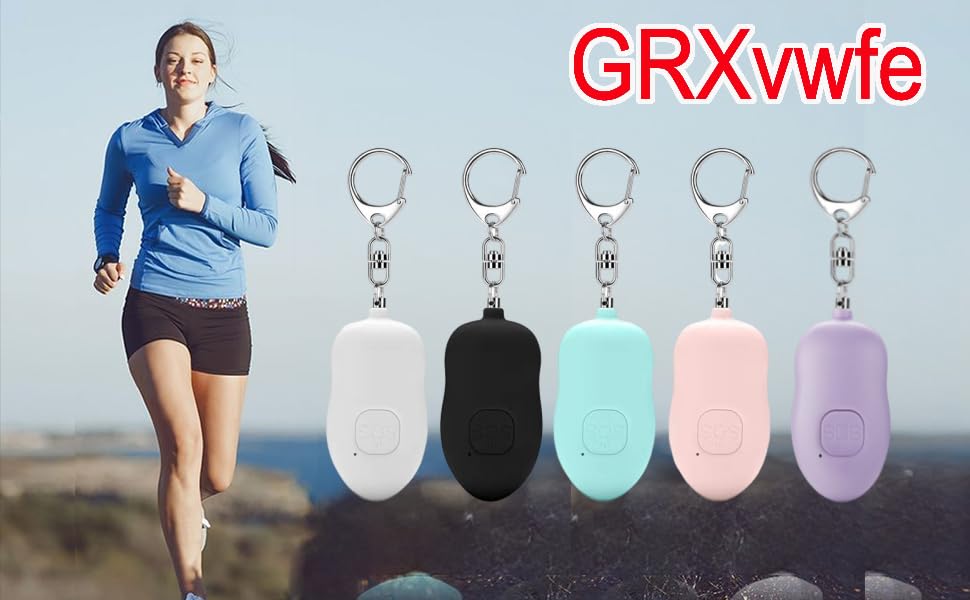
- Activation Mechanism: Pull tabs, button presses, or even wireless triggers that ensure quick and intuitive use under stress.
- Portability: Lightweight and compact models that can attach easily to keys, bags, or clothing for constant accessibility.
- Additional Features: Integrated LED lights for visibility and multi-tone alarms that confuse potential attackers while alerting bystanders.
The Way Forward
In the ever-evolving landscape of personal safety devices, understanding loudness levels is crucial for making an informed choice. While each alarm model brings its own unique features to the table, the decibel output remains a key factor in ensuring maximum effectiveness during emergencies. Ultimately, selecting the right personal alarm depends not only on volume but also on usability, battery life, and portability. By carefully weighing these elements alongside the loudness levels discussed, you can confidently invest in a device that truly enhances your peace of mind. Stay safe and stay informed.Related Products


Check Our Other Blogs
- StunGun – Your Trusted Source for Stun Guns, Laws, and Self-Defense Tips
- PepperSprayLaws – Your Trusted Resource for Pepper Spray Information
- StunGunLaws – Your Trusted Guide to Stun Gun Legality and Safety
- Featured.biz – Your Hub for the Latest in Tech & Electronics
- SafetyTips – Your Guide to Smarter, Safer Living