
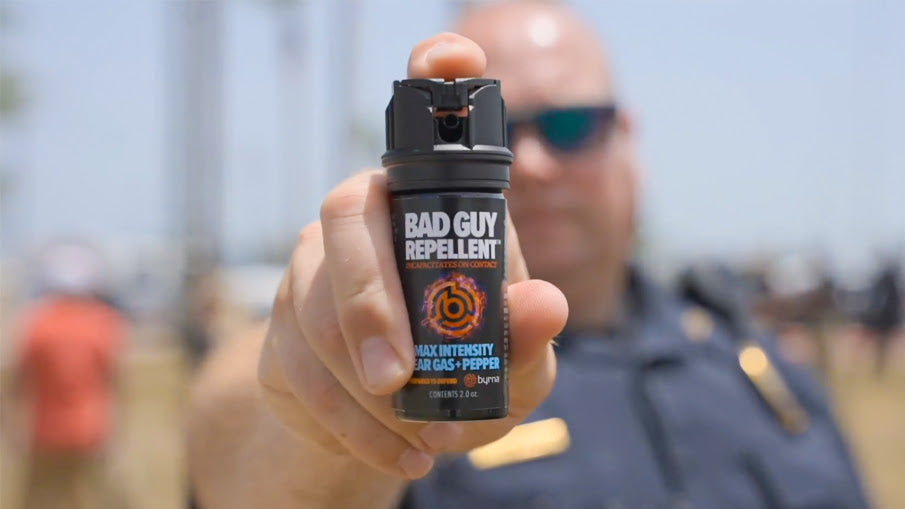
In an increasingly uncertain world, carrying personal safety tools like pepper spray and gel has become a common precaution for many travelers. While these self-defense sprays offer a sense of security, navigating the rules and regulations surrounding their transport can be confusing and sometimes risky if not done properly. Understanding how to carry pepper spray and gel safely-whether by air, land, or sea-is essential to ensure not only your protection but also compliance with legal guidelines. In this article, we’ll break down the must-know travel rules for carrying pepper spray and gel, helping you stay prepared without running into trouble on your journey.
Travel Regulations and Legal Considerations for Pepper Spray and Gel
When planning to travel with pepper spray or gel, understanding the complex and varying regulations across different regions is crucial. Most countries impose strict restrictions or outright bans on carrying these self-defense tools, especially on flights. In general, pepper spray is considered a weapon, which means even if it’s legal to own in your home country, transporting it across borders or on airplanes often requires compliance with airline policies and local laws. Many airports classify pepper spray as a hazardous material; therefore, it may be prohibited in both carry-on and checked luggage. Before traveling, you should always check the airline’s specific rules and consult government resources about local laws at your destination.
Beyond air travel, state and municipal laws can also influence whether and how you can carry pepper spray or gel. Here are some important factors to keep in mind:
- Size and concentration limits: Certain jurisdictions limit the volume or chemical strength allowed.
- Permits and age restrictions: Some areas require permits or have minimum age requirements to carry pepper spray.
- Usage restrictions: Using pepper spray unlawfully, or carrying it in restricted locations such as schools, government buildings, or public events, can lead to severe penalties.
Taking the time to research these rules helps you stay legally compliant and ensures that you can safely protect yourself without facing unexpected fines or confiscation of your protective devices.
Airline Policies on Carrying Pepper Spray and Gel in Hand Luggage
When planning to bring pepper spray or gel in your hand luggage, it’s crucial to understand that airline regulations vary widely and are often stringent. Many airlines classify these items as hazardous due to their potential use as defensive weapons and the chemicals involved, leading to outright bans or severe restrictions. Typically, pepper spray must have less than 2% Oleoresin Capsicum content and be within a certain size limit, but even then, permission from the airline is often required. Some carriers allow these items only when checked in as part of your checked baggage, rather than hand luggage, to minimize onboard risks.
- Verify airline policies: Always check the specific airline’s website or customer service before packing.
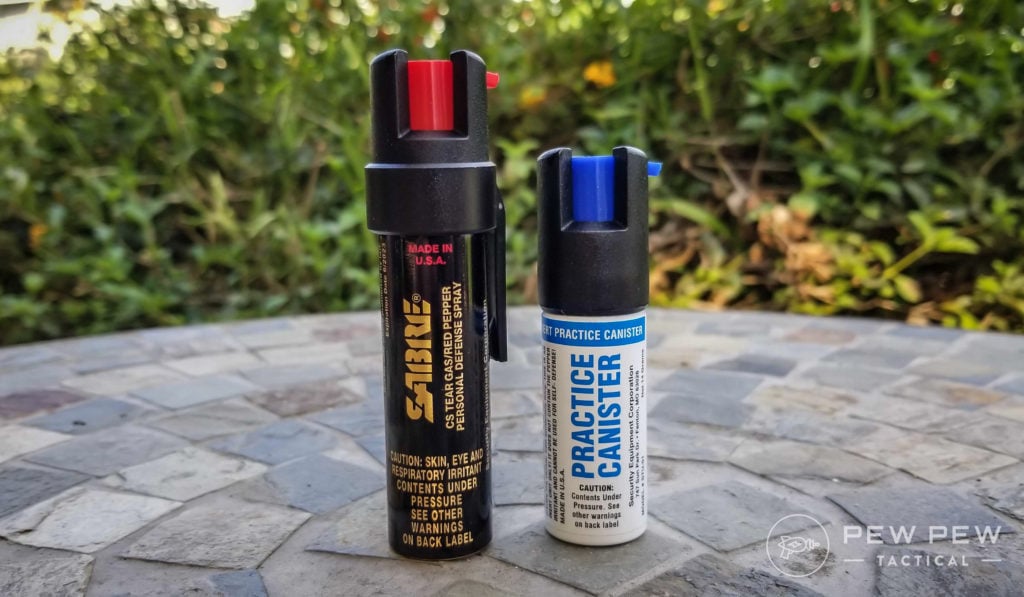
- Packaging standards: Pepper sprays must usually be sealed in their original packaging and may require labeling to prove compliance.
- Quantity limits: Be aware of volume and concentration caps which differ by airline and country regulations.
- International flights: Regulations become more complex when crossing borders, with some nations banning pepper spray entirely.
Beyond airline policies, airport security checkpoints often enforce their own guidelines when screening carry-on items. Due to the sensitive nature of pepper spray and gels, security officers have the authority to confiscate these items if they suspect any risk or non-compliance. Travelers are encouraged to carry documentation proving the legality and specifications of their self-defense sprays or gels. In many cases, it’s advisable to notify security personnel ahead of time and comply strictly with instructions to ensure a smooth boarding process.
Proper Packaging and Labeling to Ensure Safe Transport
To guarantee the secure transport of pepper spray and gel, meticulous attention must be paid to how these items are packaged. Using sturdy, leak-proof containers designed specifically for aerosols or gels is essential. Protect your spray with a sealed zip-lock bag or a hard-shell case to prevent accidental discharge or damage during transit. This added layer of security also helps shield your belongings from any potential residue, which can cause irritation. Remember, a damaged or leaking container can lead to serious travel complications and pose a hazard to other passengers and handlers alike.
Clear and accurate labeling is equally vital. Each container should prominently display the product’s name, active ingredients, and safety instructions. Additionally, abiding by airline or carrier regulations means including warnings such as “Non-flammable,” “Non-toxic,” or applicable hazard symbols if required. This transparency facilitates the screening process and reduces the risk of confiscation or fines. When preparing your pepper spray or gel for a journey, consider these packaging strategies:
- Use original manufacturer packaging whenever possible
- Secure lids tightly and add tamper-proof seals
- Label containers with both functionality and safety details
- Wrap containers in protective padding if stored with fragile items
State and Country Specific Restrictions to Keep in Mind
When planning to travel with pepper spray or gel, it’s crucial to research the specific regulations of your destination as laws vary widely between states and countries. Some regions classify pepper spray as a restricted item, requiring permits or outright banning it from both carry-on and checked luggage. For instance, states like New York and Massachusetts have stringent limits on the size and concentration of pepper spray allowed, while countries such as the United Kingdom and Australia prohibit possession entirely. Ignoring these laws can lead to serious legal consequences, including fines, confiscation, or even arrest.
To avoid complications, always check airline policies and local government websites before traveling. Note that even when permitted, quantities and packaging must comply with regulations, often mandating travel containers under a specific size or volume. Additionally, you should be aware that some jurisdictions require pepper spray to be declared at customs or security checkpoints. Following meticulous preparation not only ensures compliance but also contributes to your safety and peace of mind while on the move.
Final Thoughts
Traveling with pepper spray or gel can provide a crucial layer of personal safety, but it comes with important responsibilities. Understanding and following the rules for carrying these items-whether on planes, in cars, or across state and international borders-is essential to avoid legal complications and ensure your protection is effective and secure. Always check the specific regulations of your destination and transit points, pack your self-defense tools correctly, and never compromise on safety or legality. Staying informed and prepared allows you to travel with confidence, knowing you’re protected while respecting the laws designed to keep everyone safe. Stay vigilant, stay legal, and travel smart.
Related Products


Check Our Other Blogs
- StunGun – Your Trusted Source for Stun Guns, Laws, and Self-Defense Tips
- PepperSprayLaws – Your Trusted Resource for Pepper Spray Information
- StunGunLaws – Your Trusted Guide to Stun Gun Legality and Safety
- Featured.biz – Your Hub for the Latest in Tech & Electronics
- SafetyTips – Your Guide to Smarter, Safer Living