
In today’s unpredictable world, personal safety has become a priority for many. While individual self-defense techniques are valuable, there’s a compelling case to be made for group self-defense training-a practice that goes beyond just learning to protect oneself. Engaging in self-defense as a group offers unique advantages, from building a strong sense of community to enhancing practical skills through collective support and real-time collaboration. This article explores the powerful benefits of group self-defense training, revealing how it not only strengthens your ability to stay safe but also fosters resilience, confidence, and mutual empowerment among participants. Whether you’re a martial arts enthusiast or a complete beginner, understanding these benefits could transform how you approach personal security.
The Role of Trust and Teamwork in Enhancing Personal Safety
Building a foundation of trust within a group setting transforms self-defense from an individual challenge into a collective strength. When participants rely on each other, a hidden layer of security emerges, promoting a sense of confidence that extends beyond physical skills. This trust fosters open communication, allowing members to share concerns, strategies, and experiences without fear of judgment. The result is an empowered community where vulnerability is met with support, and every member becomes an active guardian of personal safety.
Teamwork in group self-defense training cultivates collaboration that mirrors real-world situations where multiple people may need to act in unison to defuse danger effectively. Through synchronized training exercises, individuals learn to anticipate the moves and reactions of their peers, enhancing situational awareness and reaction times. Key benefits include:
- Enhanced collective decision-making under pressure
- Development of non-verbal communication cues
- Increased motivation and accountability amongst members
- Strengthened emotional resilience through mutual support
Building Confidence Through Shared Learning Experiences
Engaging in group self-defense classes fosters a unique environment where individuals can build confidence not only through personal progress but also through collective encouragement. Participants witness each other’s challenges and triumphs, creating a powerful sense of camaraderie that breaks down the isolation often felt when confronting fear or vulnerability alone. The shared energy of learning new skills together nurtures resilience, with each success reinforcing a mutual belief in everyone’s capability to protect themselves. This dynamic transforms self-defense from a solitary endeavor into a supportive journey where confidence arises naturally from communal growth.
Key elements that strengthen confidence in group learning include:
- Real-time feedback and motivation from peers and instructors
- Opportunity to practice techniques in a safe, collaborative setting
- Building trust through partnered drills and scenarios
- Celebration of milestones that inspire continued commitment
By embracing this shared path, participants not only enhance their physical abilities but also experience profound psychological empowerment. The collective atmosphere diminishes fear and uncertainty, allowing confidence to flourish organically as everyone advances side by side.
Practical Strategies for Effective Group Self-Defense Sessions
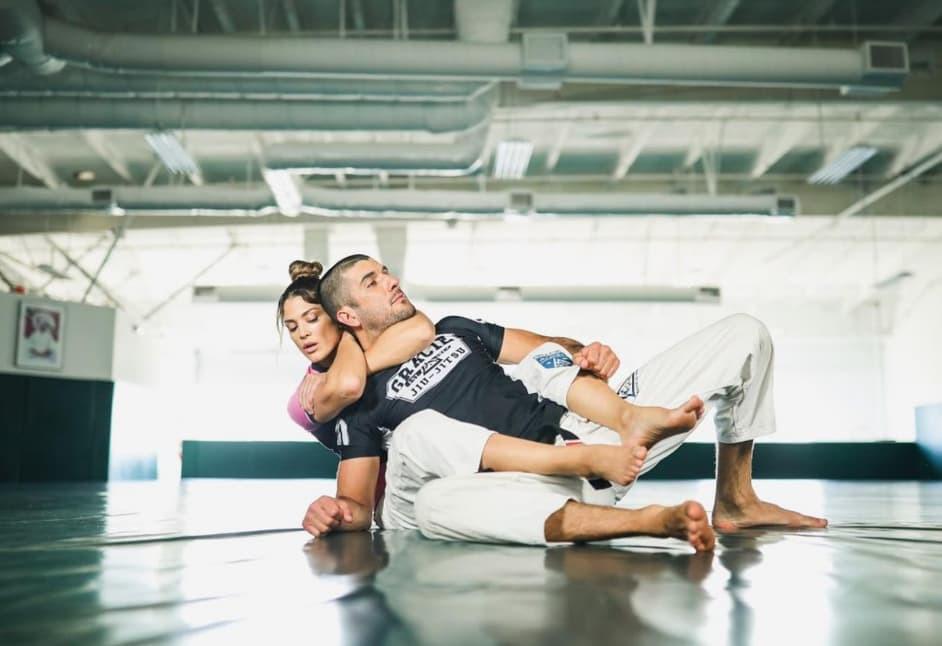
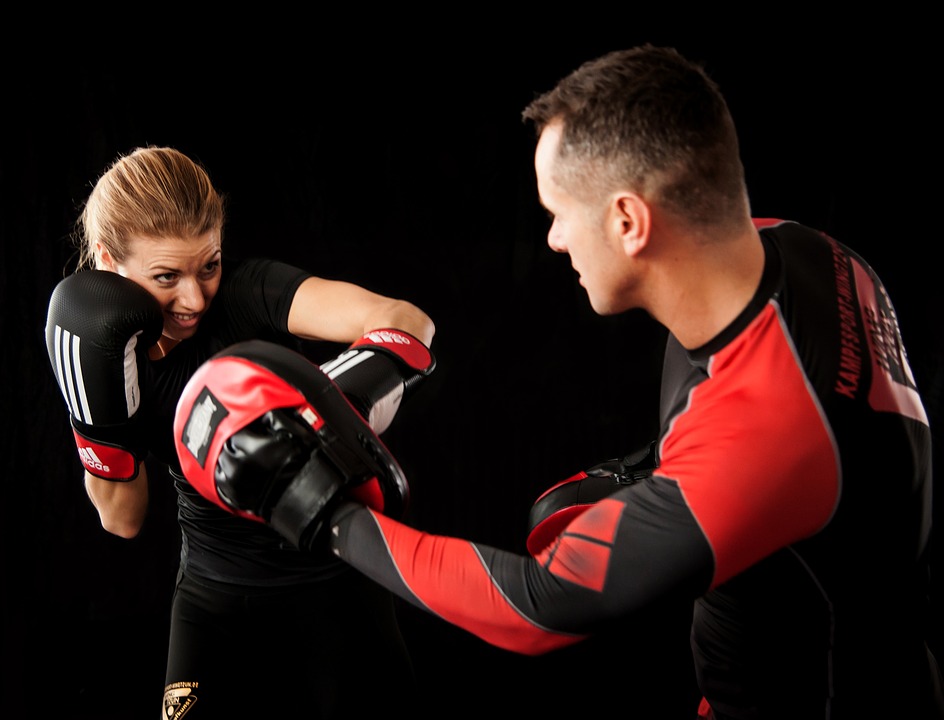
Creating a safe and productive environment starts with clear communication and setting shared goals. Begin each session by establishing ground rules that emphasize respect, cooperation, and attentiveness. Encourage participants to openly discuss their personal concerns and expectations, which helps tailor the training to address real-world scenarios they might face. Incorporate warm-up exercises that not only prepare the body physically but also enhance group cohesion, fostering trust among members. Utilize role-playing drills and controlled sparring to simulate authentic situations, allowing participants to practice responses under pressure while receiving constructive feedback.
To maximize skill retention and confidence, vary the training techniques through diverse formats such as partner drills, small group challenges, and obstacle courses. This approach prevents monotony and helps participants adapt to unpredictable circumstances. Integrate periodic group reflections where members share insights and discuss improvements, reinforcing a learning mindset. Additionally, leverage visual aids and digital resources to complement hands-on practice, ensuring concepts are understood from multiple angles. Prioritize safety by monitoring fatigue levels and encouraging regular breaks, keeping everyone physically and mentally engaged throughout the sessions.
- Set clear, measurable objectives for each training day to keep focus sharp.
- Adapt techniques to suit varying fitness and skill levels within the group.
- Encourage peer coaching to build leadership and reinforce lessons.
- Use scenario-based training tailored to realistic threats relevant to the group.
- Foster a culture of continuous improvement through positive reinforcement and constructive critique.
Maximizing Results with Consistent Practice and Expert Guidance
Consistent practice is the cornerstone of proficiency in self-defense, transforming theoretical knowledge into instinctive reactions. When training is regular, muscle memory is developed, allowing practitioners to respond swiftly and confidently during real-life situations. Combining this habitual practice with expert guidance creates a powerful synergy; seasoned instructors provide personalized feedback, correct subtle mistakes, and introduce advanced techniques tailored to group dynamics. This ensures that learning is not only efficient but also safe and progressive, minimizing risks of injury and maximizing skill retention.
In a group setting, the benefits multiply-participants motivate one another, creating an environment that fosters persistence and accountability. Key advantages include:
- Exposure to diverse combat styles, allowing for adaptability against varied threats.
- Realistic scenario drills, enhanced by multiple partners simulating different attack angles.
- Continuous skill assessment, facilitated by instructors monitoring group performance.
- Emotional resilience building, supported through collective encouragement during challenging sessions.
By integrating steady practice rhythms with expert mentorship, group training not only elevates individual capability but also instills a deeper understanding of situational awareness and strategic defense.
Concluding Remarks
In a world where personal safety is paramount, group self-defense training stands out as a powerful tool-not just for building physical strength, but for fostering confidence, community, and resilience. Beyond the techniques and tactics, the shared experience empowers individuals to support one another, transforming fear into preparedness. Whether you’re looking to protect yourself, connect with others, or simply gain peace of mind, embracing group self-defense training can be a transformative step. Remember, safety is not just an individual pursuit-it’s strengthened by the bonds we build and the skills we share together.Related Products


Check Our Other Blogs
- StunGun – Your Trusted Source for Stun Guns, Laws, and Self-Defense Tips
- PepperSprayLaws – Your Trusted Resource for Pepper Spray Information
- StunGunLaws – Your Trusted Guide to Stun Gun Legality and Safety
- Featured.biz – Your Hub for the Latest in Tech & Electronics
- SafetyTips – Your Guide to Smarter, Safer Living
:format(webp) "Using Stun Guns and Tasers Safely in Close-Range Conflicts")